


Length: 10-12000mm
Diameter: 0.3.mm~1000mm
Aluminum Alloy
Your Professional Aluminum Alloy Manufacturer!
Hormann (Jinan) Metal Co., Ltd. is located in Jinan, a beautiful spring city surrounded by mountains and rivers and rich cultural heritage. It is a professional production of various specifications and models of steel, research and development, design, production, sales, service in one of the company.The company mainly provides domestic and foreign galvanized steel pipe, steel plate, color coated coil and other steel products, with domestic and foreign large builders, factories, wholesalers and other in-depth cooperation, to provide more enterprises with high-quality products.
-
![4043 Aluminum Welding Rod]()
-
![Aluminum Tie Rod]()
-
![Precision Aluminum Rod]()
-
![Soft Aluminium Rod]()
-
![Aluminium Extrusion Rod]()
-
![White Aluminium Sheet]() White Aluminium SheetWidth: 1mm-260mm, or customizedread more
White Aluminium SheetWidth: 1mm-260mm, or customizedread more
Thickness: 1mm-260mm, or customized
Length: 1-12m or customized -
![Mirror Aluminum Plate]() Mirror Aluminum PlateWidth: 1mm-260mm, or customizedread more
Mirror Aluminum PlateWidth: 1mm-260mm, or customizedread more
Thickness: 1mm-260mm, or customized
Length: 1-12m or customized -
![Decorative Aluminum Sheet]() Decorative Aluminum SheetWidth: 1mm-260mm, or customizedread more
Decorative Aluminum SheetWidth: 1mm-260mm, or customizedread more
Thickness: 1mm-260mm, or customized
Length: 1-12m or customized -
![Brushed Aluminum Sheet]() Brushed Aluminum SheetWidth: 1mm-260mm, or customizedread more
Brushed Aluminum SheetWidth: 1mm-260mm, or customizedread more
Thickness: 1mm-260mm, or customized
Length: 1-12m or customized -
![Anodized Aluminum Plate]() Anodized Aluminum PlateWidth: 1mm-260mm, or customizedread more
Anodized Aluminum PlateWidth: 1mm-260mm, or customizedread more
Thickness: 1mm-260mm, or customized
Length: 1-12m or customized -
![Aluminum Pipe Fitting]() Aluminum Pipe FittingLength: 1-6 m or customread more
Aluminum Pipe FittingLength: 1-6 m or customread more
Wall thickness: 1-50mm
Outer diameter: 1-33mm or customized -
![Aluminum Tube Frame]() Aluminum Tube FrameLength: 1-6 m or customread more
Aluminum Tube FrameLength: 1-6 m or customread more
Wall thickness: 1-50mm
Outer diameter: 1-33mm or customized


Why Choose Us
Excellent Technology
Our company introduces advanced product design concepts, independent research and development, production, etc. We have many years of experience in steel product processing and a professional technical team. Our technology has reached the leading level in the industry, and we can provide customers with professional, efficient and precise processing services.
Quality Guarantee
We use the most advanced manufacturing technology and strict testing standards in the product manufacturing process to provide customers with products with mature technology and reliable quality.
Production Market
Our products are sold to the global market, mainly in the Middle East countries, North America, Australia and other regions, won unanimous praise, and has long-term cooperation with customers, with good trust relationship, adhere to the service of every customer.
OEM/ODM
When you make a request, our designers will provide the perfect product according to your needs.Customers can choose any length or other requirements. Order or purchase all types of steel or special specifications.
Advantages of Aluminum Alloy



Outstanding Performance in a Lightweight Package
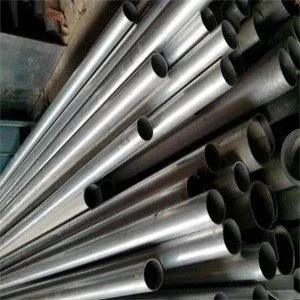
Aluminum alloys are known for their excellent strength-to-weight ratio. This balance is crucial in industries where both strength and weight play significant roles, such as aerospace and automotive. Aluminum’s density is about 2.7 g/cm³, significantly lower than steel, which makes it a preferred choice when reducing weight without compromising strength is essential.
Superior Durability Against the Elements
One of the key advantages of aluminum alloys is their natural resistance to corrosion. Aluminum develops a thin oxide layer that protects it from further oxidation, which makes it highly suitable for applications exposed to harsh environmental conditions. This property is particularly valuable in marine environments and outdoor structures.
Efficiency in Thermal and Electrical Applications
Aluminum alloys have excellent thermal and electrical conductivity. This makes them ideal for applications like heat exchangers and electrical transmission lines, where efficient energy transfer is crucial. Aluminum’s electrical conductivity is about 61% that of copper, making it a cost-effective alternative for power transmission.
Economic and Environmental Considerations
Aluminum is not only abundant but also highly recyclable. The recycling process for aluminum requires only about 5% of the energy needed to produce primary aluminum, which significantly reduces its environmental impact . This makes aluminum an economically and environmentally sustainable choice.
Versatility and Ease of Fabrication
Aluminum alloys offer unmatched versatility. They can be easily cast, machined, and formed into various shapes, catering to a wide range of industrial needs. The flexibility of aluminum allows for creative and complex designs that might be more challenging with other metals .
Specification
|
Type |
Size |
|
Aluminum Rod |
Length: 10-12000mm Diameter: 0.3.mm-1000mm |
|
Aluminium Sheet |
Width: 1mm-260mm, or customized Thickness: 1mm-260mm, or customized Length: 1-12m or customized |
|
Aluminum Pipe |
Length: 1-6 m or custom Wall thickness: 1-50mm Outer diameter: 1-33mm or customized |
|
Aluminum Square Tube |
Length: 1-6 m or custom Wall thickness: 1-12mm Thickness: 0.8~30mm or custom |
|
Aluminum Anode Rod |
Aluminum Anode Rod Length:10mm-6000mm Outside diameter:3-300mm Wall thickness:0.3-60mm |
Application of Aluminum Alloy
Transportation
Aluminum alloys are prized for their lightweight nature and resistance to corrosion. They are employed in boats, ships, engine blocks, body panels, and structural components across the railway, automotive, and marine industries.
Electrical Applications
Aluminum alloys are utilized as conductors in power transmission lines, electrical wires, and electronic components. Their low density is advantageous in power transmission lines where weight is a concern. Aluminum alloys also excel in electronic devices, offering excellent heat dissipation and thermal management capabilities.
Consumer Goods
Aluminum alloys are frequently used in consumer goods due to their lightweight nature and corrosion resistance. Products such as automobile parts, cookware, electronics, and beverage cans often feature aluminum alloys. Their durability, strength, and recyclability further enhance their appeal in consumer goods.
Medical Equipment
Aluminum alloy is employed in diverse medical equipment, including wheelchairs, hospital beds, and surgical instruments. Aluminum alloys’s low density, strength, and resistance to corrosion make it well-suited for these applications. Aluminum alloy is also used in medical implants such as bone plates and screws due to its biocompatibility. This ensures medical devices are durable and resistant to rust and other forms of corrosion, crucial for their reliability in healthcare settings.
Construction
Aluminum alloys are essential in construction for windows, doors, roofing, siding, and framing. Their strength, light weight, and resistance to corrosion make them ideal for harsh outdoor environments. Aluminum alloys can be shaped into various forms with ease, offering flexibility in design and construction applications for the uses of aluminum alloys.
Aluminum Alloy Production Process
Mining and Refining
The first step in producing aluminum alloys is to mine and refine bauxite. Bauxite is a mineral that contains aluminum hydroxide and other compounds. Once mined, the ore is transported to a refinery for processing to extract alumina, or aluminum oxide. The alumina is then further processed to produce aluminum metal.
Alloys
Pure aluminum has low strength and limited uses, so it is often alloyed with other metals to enhance its properties. Common alloying elements include copper, magnesium, silicon, and zinc. The alloying process involves melting the aluminum and adding the desired alloying elements to achieve the desired properties.
Castings
Aluminum alloys can be cast into a variety of shapes using different casting methods, such as sand casting, die casting, and investment casting. Sand casting involves pouring molten aluminum into a sand mold to form a specific shape. Die casting is similar, but involves using a metal mold instead of sand. Investment casting, also known as lost wax casting, involves creating a wax model of the desired shape and then covering it with a ceramic shell. The wax is melted and the ceramic shell is filled with molten aluminum to create the final product.
Extrusion
In addition to casting, aluminum alloys can also be extruded into various shapes through the extrusion process. The extrusion process is to press heated aluminum through a forming die to produce a specific cross-sectional shape. This process is often used to produce aluminum tubes, channels and other complex shapes.
Heat treatment
Aluminum alloys are usually heat treated after casting or extrusion to enhance their properties. Heat treatment involves heating the material to a specific temperature and then cooling it at a controlled rate. This process can increase the strength, ductility and hardness of the material.
Types of Aluminum Alloy
1000 Series: Pure aluminum makes up at least 99% of the 1000-series alloys’ composition, with only traces of other elements. The precise composition and impurity content of the various alloys in the 1000 series is what differentiates them from one another. These alloys are very thermally conductive, highly ductile, and corrosion-resistant, and are used in products like chemical tanks, conductive bus bars, and rivets.
2000 Series: The primary alloying element in the 2000 series is copper, which provides higher strength, but the exact amount of copper and other trace elements vary from one 2000 series alloy to another. Copper alloys can be machined, heat-treated, and withstand high temperatures. They’re often used in military, aerospace, and other high-performance applications.
3000 Series: Manganese improves the metal’s corrosion resistance and formability. 3000 series alloys have moderate strength but are not heat-treatable. They are used in cookware, automotive parts, and construction materials, and also work well when welding and anodizing.
4000 Series: Silicon gives this aluminum alloy excellent molten fluidity and minimal shrinkage when it solidifies, making it a great candidate for casting applications. It has good machinability and corrosion resistance and a moderate amount of strength. It is usually used for engine blocks and other auto parts that need to disperse heat efficiently.
5000 Series
The main alloying element in the 5000 series is magnesium. These versions of aluminum can be found in vehicles, pressurized vessels, and bridges.
6000 Series
Featuring both magnesium and silicon as the main alloying elements, this series of metals offers good strength, resistance to atmospheric corrosion, and are machinable. They are commonly used in structural components for the aerospace, automotive, and construction industries.
7000 Series
This is a heat-treatable alloy with zinc and smaller amounts of copper, magnesium, and other elements. It has high strength, good toughness, and fatigue and corrosion resistance. These alloys are used in aircraft and aerospace, as well as in high-performance sporting goods.
Packing & Shipping
All our Aluminum alloy products are packaged according to international standards To avoid damage or loss. By default, we use thick woven bags for bundling Mass produced finished pipelines. For certain special pipelines and pipelines exposed to dirt We recommend that you protect the wooden box from scratches, loads, or abuse. Attention. Wooden boxes not only bear additional costs, but also transportation costs Price, especially air freight. In order to improve the customer experience, we can also offer special packages. Based on your specific needs.


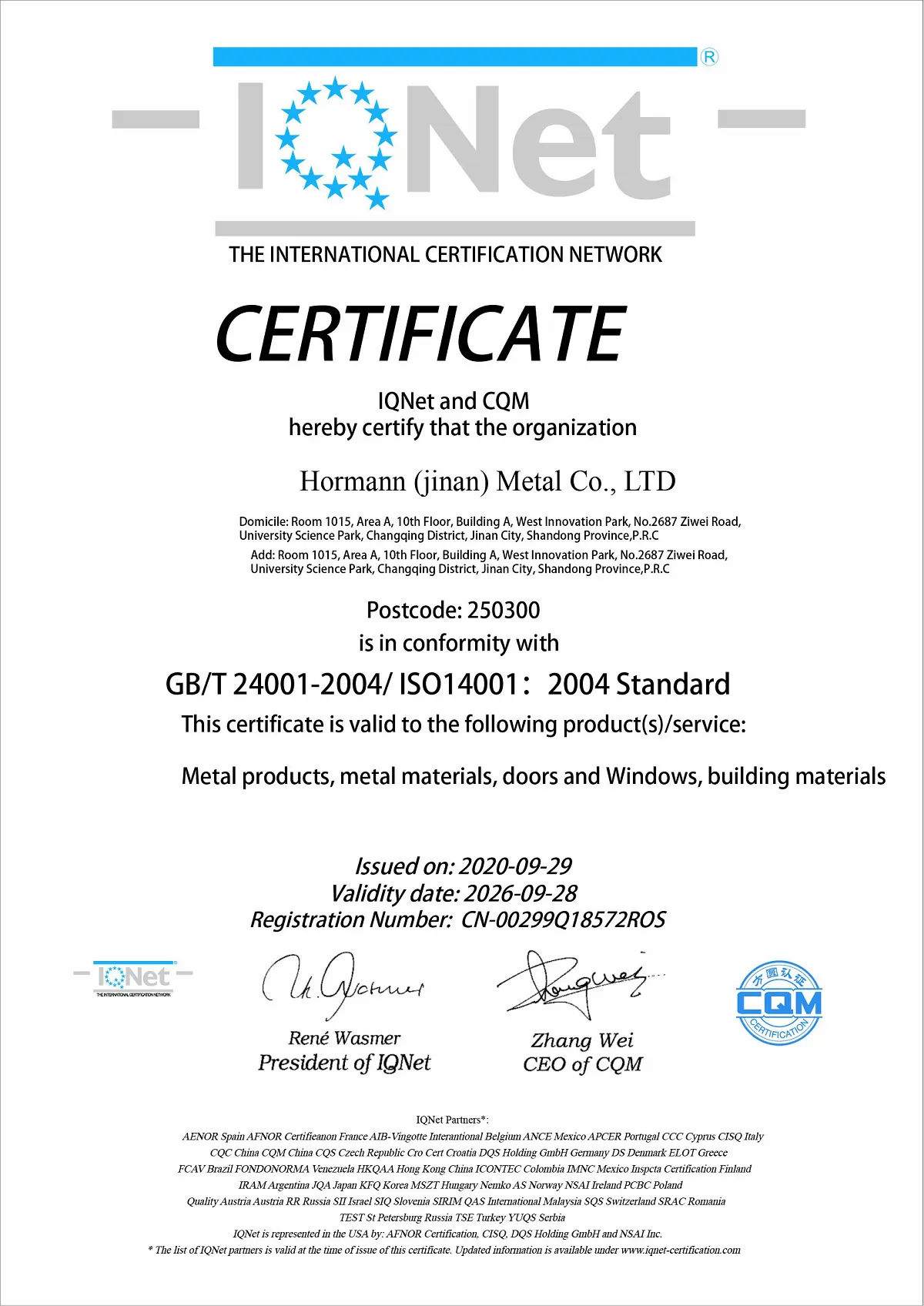
Our Certificates




FAQ
As one of the most professional aluminum alloy manufacturers and suppliers in China, we're featured by quality products and competitive price. Please rest assured to buy aluminum alloy for sale here and get free samples from our factory. Also, customized service is available.
Aluminum Alloy Pipe, Aluminum Alloy, 3003 Aluminum Square Tubing