


Size: 20*20*3 mm - 200*200*20 mm
Length: 6 meters, 9 meters, 12 meters or as required
Type: isometric pole/unequal pole
Galvanized Angle Steel

Your Professional Galvanized Angle Steel Supplier
Hormann (Jinan) Metal Co., Ltd. was a company specializing in the professional production of various specifications and models of steel, research and development, design, production, sales, and service. Our products include galvanized steel, seamless steel pipe, stainless steel, aluminum alloy, copper alloy, black iron sheet, stainless rebar, and prepainted steel coil.
Why Choose Us
Wide Range of Applications
Our products are used in the construction industry, automotive industry, shipbuilding industry, chemical industry, metallurgical industry, aerospace industry, etc.
Broad Market
Our products are sold to the global market, mainly in the Middle Eastern countries, North America, Australia, and other regions, and have won unanimous praise.
Professional Advanced Equipment
We have a series of equipment specializing in the production of steel, including steel plate pretreatment equipment, steel plate leveling equipment, cutting machines, cold processing equipment, assembly equipment, welding equipment, correction equipment, painting equipment, lifting equipment, transportation equipment.
Leading Service
Professional engineers can provide consultation on sprocket expertise and professional advice on product selection, design, installation, and maintenance.
-
![40*40*4 mm 60 Degree Galvanized Angle Steel]()
-
![A283M Hot-dip Galvanized Angle Steel]() A283M Hot-dip Galvanized Angle SteelLength: 1-12mread more
A283M Hot-dip Galvanized Angle SteelLength: 1-12mread more
Thickness: 3-24mm
Type:Equal
Grade:Q195-Q420 Series
Tolerance:±3% -
![40*40*4mm Structural Galvanized Angle Steel]() 40*40*4mm Structural Galvanized Angle SteelSize:20*20*3mm - 200*200*20mmread more
40*40*4mm Structural Galvanized Angle SteelSize:20*20*3mm - 200*200*20mmread more
Length:6m, 9m, 12m or as required
Type:Equal Angle Bar / Unequal Angle Bar -
![Z41-Z60 MS Equal Angle Steel]() Z41-Z60 MS Equal Angle SteelLength: 3m, 6m, 12mread more
Z41-Z60 MS Equal Angle SteelLength: 3m, 6m, 12mread more
Shape: equal Angle
Thickness: 1-40 mm
Edge: 6-300 mm -
![MS Angle Equal Or Unequal Angle Steel]() MS Angle Equal Or Unequal Angle SteelSize:50*50*6 mmread more
MS Angle Equal Or Unequal Angle SteelSize:50*50*6 mmread more
Length :6m, 9m, 12m
Thickness: 3-24 mm
Finish: black or galvanized -
![25*25 Galvanized Equal Angle Steel]() 25*25 Galvanized Equal Angle SteelSize: 75*50-200*125 mmread more
25*25 Galvanized Equal Angle SteelSize: 75*50-200*125 mmread more
Length: 6-12 meters
Material: SS400-SS540 series
Shape: equal Angle or unequal Angle -
![S355jr Galvanized Steel Angle]() S355jr Galvanized Steel AngleSize: 20*20mm-200*200mm&25mm*16mm-200mm*125mmread more
S355jr Galvanized Steel AngleSize: 20*20mm-200*200mm&25mm*16mm-200mm*125mmread more
Length: 6m, 9m, 12m or upon request
Thickness: 2-16mm
Shape: equal and unequal -
![12m Hot Dip Galvanized Coated H Shape Steel Beam]() 12m Hot Dip Galvanized Coated H Shape Steel BeamHeight(H): 12mread more
12m Hot Dip Galvanized Coated H Shape Steel BeamHeight(H): 12mread more
Plate thickness: 3-25mm
Plate width: 100-900mm
Wing width (B): 100-400mm
Wing thickness (T): 6-16mm -
![Galvanized Steel Angle Bar Z300]() Galvanized Steel Angle Bar Z300Material: Q195-Q345, SS400, A36, S235JR, etcread more
Galvanized Steel Angle Bar Z300Material: Q195-Q345, SS400, A36, S235JR, etcread more
Specifications: 20mm x 20mm x 3mm, 25mm x 25mm x 3mm, 30mm x 30mm x 3mm, 40mm x 40mm x 3mm, etc
Weight: Varies depending on the... -
![Angle Steel ASTM A36]() Angle Steel ASTM A36Thickness ranges: 1/8" to 3"read more
Angle Steel ASTM A36Thickness ranges: 1/8" to 3"read more
Width range: 1/2" to 8"
ngular sizes: 1/2" x 1/2" to 8" x 8"
Length:about 20 feet (6.1 meters), but other lengths can be customized. -
![30*30 Equal-edge Galvanized Angle Steel]() 30*30 Equal-edge Galvanized Angle SteelType: Equal/unequalread more
30*30 Equal-edge Galvanized Angle SteelType: Equal/unequalread more
Thickness: 2 mm -25 mm.
Length: 2 m -12 m.
Standard: ASTM DIN GB JIS
Grade: Q195, Q235, Q345
Tolerance: Outer diameter: +/-0.2mm, thickness: +/-0.02nn,... -
![Hot-rolled Galvanized L-shaped Equal Angle Steel]() Hot-rolled Galvanized L-shaped Equal Angle SteelThickness: 3mm - 24mmread more
Hot-rolled Galvanized L-shaped Equal Angle SteelThickness: 3mm - 24mmread more
Width: 20 mm -100 mm
Length: 3000-12000mm or according to customer requirements
Surface: blackening, peeling, polishing, light, sandblasting, hairline, etc.


Definition of Galvanized Angle Steel
Galvanised angle bar, also commonly referred to as galvanised angle, galvanised angle iron, is a L-shaped low carbon steel bar with two equal or unequal legs that has been hot dipped in a zinc rich galvanizing process. Galvanised angle bars have great strength and corrosion resistance, therefore they are ideal for all general fabrication and repairs. Galvanised angle bars have also excellent weld performance, formability and machinability. As such, galvanised angle bars are often used in large structural settings such as high-rise buildings, bridges, transmission towers and factories.

What are Advantages of Galvanized Angle Steel
Economic Benefits
Galvanizing has a lower overall cost compared to other coatings. If you are looking to save money on construction projects, then you’ll want to make sure you switch over to galvanised angle as soon as possible. This can help to save a fortune when you are using this material in large quantities, ensuring that you keep on track with your budget for any project you are working on.
Durability
Coating life and performance are reliable and predictable. You’ll find that one of the top benefits of galvanised angle is that it’s much more durable than regular angle. The coating helps to protect the material, reducing the chance of corrosion. This means you’ll be much less likely to need to replace the material in the future, which is essential for most types of construction projects.
Less Maintenance
Galvanized angle lasts far longer than other materials and needs less maintenance. This will save you time and resources in the long run, which can be better used elsewhere to maintain your projects and materials.
Long Life Expectancy
The life expectancy of galvanized coatings on most structural members is typically in excess of 50 years in most rural environments and 20 to 25 years or more with severe urban and coastal exposure. This means the applications it can be used for are numerous, which is why it’s become such a popular material choice in recent years.
Toughest Coating
A galvanized coating has a unique metallurgical structure that gives outstanding resistance to mechanical damage in transport, erection, and service. When compared to other coating and material options, it’s much tougher for a range of construction projects. In fact, it’s one of the toughest coatings on the market today, allowing you to use it in difficult weather conditions and situations.
Complete Protection
Every part of a galvanized article is protected, even recesses, sharp corners, and inaccessible areas. No coating applied to a structure or fabrication after completion can provide the same protection. This means that once you install the galvanized steel installation, you don’t have to waste time adding further protection to the project.
Hygienic
Galvanized angle has an easy to clean surface. If you are working on a project which will need to be cleaned regularly, you’ll find this material is easy to clean and maintain. Especially during the challenging times we all find ourselves in, this is more important than ever. A hygienic material choice ensures that everyone remains healthy and safe when the material is cleaned on a regular basis.
Ease of Inspection
Galvanized coatings are assessed readily by eye, and simple non-destructive thickness testing methods can be used. You can easily see if the steel is still in good condition or whether it will need a replacement in the near future. These checks will take just minutes, as opposed to needing to dismantle any type of structure to find out what’s going on with your material.
Faster Install Time
As galvanized steel members are received, they are ready for use. No time is lost on-site in surface preparation, painting, and inspection. When assembly of the structure is complete, it is immediately ready for use, or for the next construction stage. With the pressures that many construction companies find themselves under today, this is more important than ever. You’ll ensure your project stays on track and that you offer your client the highest customer satisfaction possible.
Speedy Application
The galvanizing process is not dependent on weather conditions. It can be completed in just minutes, offering a full protective coating at any time of the year. This is especially important for anyone who lives in an area with ever-changing weather conditions. You’ll be able to galvanize steel at any point as needed, keeping your projects on track no matter what other challenges you are facing.

What are Features of Galvanized Angle Steel
Low Processing Cost
The cost of hot-dip galvanizing and rust prevention is lower than that of other paint coatings.
Durable and Long-Lasting
Hot-dip galvanized angle steel has the characteristics of surface luster, uniform zinc layer, no missing plating or dripping, strong adhesion and strong corrosion resistance. In the suburban environment, the standard hot-dip galvanized anti-rust thickness can be maintained for more than 50 years without repair; in urban areas or offshore areas, the standard hot-dip galvanized anti-rust layer can be maintained for 20 years without repair.
Good Reliability
The metallurgical bond between the galvanized layer and the steel material becomes a part of the steel surface, so the durability of the coating is enhanced.
The Toughness of the Coating Is Strong
The galvanized layer forms a special metallurgical structure, which can withstand mechanical damage during transportation and use.
Comprehensive Protection
Every part of the plated parts can be coated with zinc, even in depressions, sharp corners and hidden places can be fully protected.
Save Time and Effort
The galvanizing process is faster than other coating construction methods, and it can avoid the time required for painting on the construction site after installation.
Applications of Galvanized Angle Steel
Bridge Ways
Steel angles are rarely used in a given structure without any added protective layer or coating. As such, most steel angles you’ll find in the market are either galvanized or powder coated. Galvanizing creates a corrosion-resistant layer on the material. When used in bridge ways, however, manufacturers need to ensure better product durability, which is why the angle bars are galvanized in the process.
Steel angles can be used to form any part of a bridge. For the deck, the angles can provide reinforcement to concrete and lower materials handling for constructors. Aside from this, steel angles can also be found in bridge components like arches, girders, bearings, or pedestrian pathways. Bridges with steel components have been known to last for several years or even decades, due to the material’s robustness and strength even under load bearing or environmentally impactful situations.
Warehouses
As established, steel angle bars are a type of structural product. For warehouses or any type of building construction, steel angles have been a perfect choice. They can form the foundation of a warehouse, complete the structure of a mezzanine system, or provide roofing support through a steel deck or rafter.
For mezzanines, steel angles can support the elevated flooring requirements of the structure. The material is well-suited for bearing different levels of loads or impacts that may arise from equipment and storage systems used in the warehouse. This stands true even for various mezzanine designs — freestanding, rack-supported, column-connected, or shelving-supported mezzanines.
In low-cost warehouses, steel angles have also been useful in forming part of the ceiling or roofing structure of the building. When connected with other steel accessories — flat bars, rods, couplings, purlins, fittings — the steel angles can complete the network of rafters that protect the warehouse from variable wind loads.
Equipment Manufacturing
Most electrical equipment or everyday household appliances to date have been made out of one form of steel or another. Some examples of these heavy machineries include the forklift, bulldozer, road roller, or excavators. Appliances may even be reinforced with steel angles — their unique shape gives protection to corners of appliances like washing machines, industrial ovens, stoves, and many more.
Using steel angles in equipment-making has drastically lowered expenses for both manufacturer and consumer. Manufacturers, for example, are relying on a low-cost and easy-to-produce material. Steel is also considered readily available and can be repurposed without any detriment in its chemical properties and physical quality.
For consumers, steel in different types of machinery greatly lowers maintenance and repair costs. As mentioned before, steel can last for many decades, even during storage. Businesses that depend on heavy equipment in their operations will benefit from the presence of steel angles, even if they may be aware of it or not.
Frames
Steel angles have been purposely made to be ductile. This is made possible by their low-alloy/high strength composition that creates a highly malleable material, capable of being shaped and fabricated using various techniques.
Another popular use of steel angles is framing for different structures and objects. While the basic design involves an equal (or non-equal) angled L-shaped cross-section featuring two opposing legs, it can be fabricated to attain the desired appearance.
Metal stamping or punching, in particular, can create multiple openings on a steel angle to create an aesthetically pleasing framing component. Other custom-built designs can also be done on steel angle framing to support handrails, utility carts, interior moldings, trimmings, paneling, cladding, and many more.
How Do You Maintain Galvanized Angle Steel
Storage Environment
Store black galvanized angle steel in a dry, well-ventilated, non-corrosive gas environment to avoid contact with corrosive substances such as acids, alkalis, and salts.
Transportation and Installation
When transporting and installing, avoid contact between the angle steel and other hard or sharp objects to prevent scratching or damaging the zinc layer on the surface. It is advisable to use special handling tools, such as cranes or forklifts, to prevent possible collisions during manual handling.
Surface Cleaning
Surface cleaning is crucial to maintaining the cleanliness of black galvanized angle steel. If the surface of the angle steel is covered with dust, dirt or pollutants, it should be cleaned in time with a soft cloth and neutral detergent, and avoid using corrosive substances such as strong acids, strong alkali or organic solvents.
Regular Inspection
Regularly inspect the black galvanized angle steel to ensure the completeness of the zinc layer and identify issues such as scratches, pits, rust, etc. If problems are found, they should be repaired and replaced promptly.
Avoid High Temperatures
The melting point of the zinc layer of black galvanized angle steel is low. Long-term exposure to high temperatures will cause the zinc layer to melt. Therefore, high-temperature environments should be avoided during use and storage, and direct sunlight or contact with heat sources should be avoided.
Maintenance and Repair
If scratches, pits or rust are found on the surface of black galvanized angle steel, it should be repaired in time. You can use specialized repair tools and paint, or call in a professional to repair it. After repair, the flatness and appearance quality of the angle steel surface should be ensured.
Regular Painting to Prevent Rust
Although black galvanized angle steel has certain anti-rust properties, corrosion may still occur under certain circumstances, such as long-term exposure to moisture or the presence of chemical corrosive substances. Therefore, regular painting to prevent rust is an effective protective measure. You can choose to use anti-rust paint or other suitable coatings for painting. Pay attention to keeping the surface clean and dry.
How do You Remove Rust From a Galvanized Angle Steel
Safety Precautions
Wear appropriate personal protective equipment (PPE), such as gloves and safety goggles, to protect yourself from any potentially harmful chemicals or abrasive materials used in the rust removal process.
Clean the Surface
Start by cleaning the surface of the galvanized steel sheet with a mild detergent or degreaser and water to remove dirt, debris, and any loose rust. Rinse thoroughly and allow the surface to dry completely.
Remove Rust Mechanically
If the rust is not too severe, you can use mechanical methods such as wire brushes, steel wool, or abrasive pads to physically scrub away the rust. Avoid using steel brushes or abrasive materials that are too harsh, as they can scratch the galvanized coating and potentially accelerate rusting in the future.
Chemical Rust Removal
For more stubborn rust, you can use chemical rust removal products specifically formulated for use on galvanized steel. Follow the manufacturer's instructions and apply the rust remover with a brush or cloth, allowing it to sit for the recommended amount of time. Then, scrub the rusted areas with a non-abrasive brush or cloth, rinse thoroughly with water, and allow the surface to dry.
Neutralize and Rinse
After using chemical rust removal products, it's important to neutralize any remaining traces of the rust remover to prevent further damage to the galvanized coating. Rinse the surface thoroughly with water to remove all traces of the rust remover and allow it to dry completely.
Apply a Protective Coating
Once the rust has been removed and the surface is dry, you can consider applying a protective coating to the galvanized steel sheet to help prevent future rusting. This can be a galvanized spray paint or a clear protective coating specifically designed for use on galvanized steel.
The Considerations for Buying


Ensuring Material Compliance
Quality suppliers play a pivotal role in guaranteeing that the galvanized angle iron they provide complies with industry standards. This involves meeting specifications and ensuring the zinc coating adheres to the required thickness.
Certifications and Standards
Reputable suppliers boast certifications from recognized bodies, affirming the quality and adherence of their products to industry standards. Before choosing a supplier, it’s crucial to verify these certifications to guarantee the quality of the materials.
Reliability and Timely Delivery
Timely delivery is paramount in the construction industry. Reliable suppliers understand the significance of meeting deadlines, preventing project delays, and contributing to the overall efficiency of the construction process.
Environment
If your application involves outdoor use or exposure to moisture and corrosive substances, galvanized steel angles are likely the better choice for their superior corrosion resistance.
Budget
Galvanized steel angles tend to be more expensive than regular carbon steel angles due to the additional coating process. If budget is a primary concern and the application is indoors or in a low-corrosion environment, carbon steel angles might be more cost-effective.
Maintenance
Galvanized steel requires less maintenance over time, as the zinc coating protects the underlying steel. On the other hand, carbon steel may require periodic maintenance and painting to prevent corrosion in certain environments.
Our Certificate
Our professional quality inspectors will conduct a quality inspection on each batch of products. Furthermore, authoritative test reports are also available.


Our Service
Customers can choose any length or other requirements, order or purchase various steel products or request special specifications.
Adjusting for the temporary lack of specifications in this library, saving you the trouble of rushing to buy.
Our transport service, which can be delivered directly to your designated place.
For the sold materials, we are responsible for the overall quality tracking, in order for you to eliminate worries.
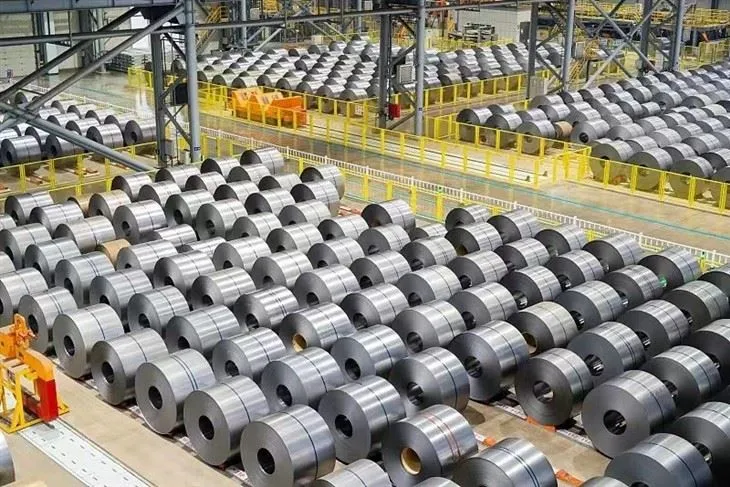

Our Factory
One-stop service helps you choose products suitable for your market and budget, save time, and achieve win-win cooperation.
Contact Us
Email
nancy@cn-hormann.com
Address
No. 2687 Ziwei Road, University Science Park, Changqing District, Jinan City, Shandong Province Room 1015, Area A, 10th Floor, Building A, West Innovation Park, Jinan
Phone
+8618769555682
+8613153828686
+8613153828686
Frequently Asked Questions
As one of the most professional galvanized angle steel manufacturers and suppliers in China, we're featured by quality products and competitive price. Please rest assured to buy galvanized angle steel for sale here and get free samples from our factory. Also, customized service is available.
Zinc plated Slotted Angle, Q235 Galvanized Angle Steel, Hot Dip Galvanized Angle Steel