

Stainless Steel
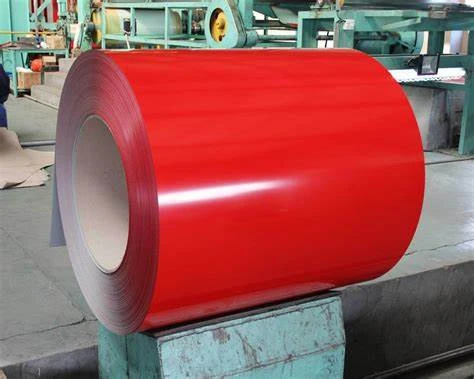
Hormann (Jinan) Metal Co. Ltd. was a company specializing in the professional production of various specifications and models of steel, research and development, design, production, sales, and service. Our products include galvanized steel, seamless steel pipe, stainless steel, aluminum alloy, copper alloy, black iron sheet, stainless rebar, and prepainted steel coil.
Why Choose Us
Wide Range of Applications
Our products are used in the construction industry, automotive industry, shipbuilding industry, chemical industry, metallurgical industry, aerospace industry, etc.
Broad Market
Our products are sold to the global market, mainly in the Middle Eastern countries, North America, Australia, and other regions, and have won unanimous praise.
Professional Advanced Equipment
We have a series of equipment specializing in the production of steel, including steel plate pretreatment equipment, steel plate leveling equipment, cutting machines, cold processing equipment, assembly equipment, welding equipment, correction equipment, painting equipment, lifting equipment, transportation equipment.
Leading Service
Professional engineers can provide consultation on sprocket expertise and professional advice on product selection, design, installation, and maintenance.
-
![JIS AISI ASTM Stainless Steel C Tank]() JIS AISI ASTM Stainless Steel C TankStainless steel C slot is made of stainless steel material with a C-shaped section of the trough pipe members, usually used in construction, chemical, electric power, machinery manufacturing and...read more
JIS AISI ASTM Stainless Steel C TankStainless steel C slot is made of stainless steel material with a C-shaped section of the trough pipe members, usually used in construction, chemical, electric power, machinery manufacturing and...read more -
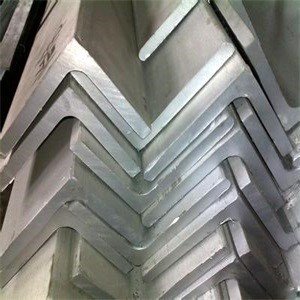
![Stainless Steel Equal Angle Steel Plate Corrugated Angle Bar]() Stainless Steel Equal Angle Steel Plate Corrugated Angle BarStainless steel corrugated Angle steel bar is a component made of stainless steel material, composed of equal Angle steel plate and corrugated Angle steel bar, often used in building structure,...read more
Stainless Steel Equal Angle Steel Plate Corrugated Angle BarStainless steel corrugated Angle steel bar is a component made of stainless steel material, composed of equal Angle steel plate and corrugated Angle steel bar, often used in building structure,...read more -
![Square Rectangular 304 Welding Material Steel]() Square Rectangular 304 Welding Material SteelWelded square pipe is a pipe member with square section made by cutting, bending, flanging and welding of steel plate.read more
Square Rectangular 304 Welding Material SteelWelded square pipe is a pipe member with square section made by cutting, bending, flanging and welding of steel plate.read more -
![Direct Stainless Steel Rectangular Tube Square Tube]() Direct Stainless Steel Rectangular Tube Square TubeStainless steel rectangular pipe is a pipe member made of stainless steel material with a rectangular cross-section, which is usually used in construction, decoration, machinery manufacturing and...read more
Direct Stainless Steel Rectangular Tube Square TubeStainless steel rectangular pipe is a pipe member made of stainless steel material with a rectangular cross-section, which is usually used in construction, decoration, machinery manufacturing and...read more -
![GB DIN ASTM SS304 316 SS Carbon Steel Pipe Fitting Elbow]() GB DIN ASTM SS304 316 SS Carbon Steel Pipe Fitting ElbowStainless steel pipe elbow is a pipe fitting made of stainless steel material, which is used to bend the pipe along different angles or directions.read more
GB DIN ASTM SS304 316 SS Carbon Steel Pipe Fitting ElbowStainless steel pipe elbow is a pipe fitting made of stainless steel material, which is used to bend the pipe along different angles or directions.read more -
![Seamlessly Welded 90 ° /45 ° /180 ° Carbon Steel Elbow]() Seamlessly Welded 90 ° /45 ° /180 ° Carbon Steel ElbowSeamless welded carbon steel elbow is made of carbon steel material through processing, forming, heat treatment, seamless welding and other processes made of bending pipe, used to connect the...read more
Seamlessly Welded 90 ° /45 ° /180 ° Carbon Steel ElbowSeamless welded carbon steel elbow is made of carbon steel material through processing, forming, heat treatment, seamless welding and other processes made of bending pipe, used to connect the...read more -
![Stainless Steel Round Rod]() Stainless Steel Round RodStainless steel round steel is a round cross-section steel made of stainless steel material, with good corrosion resistance and mechanical properties, suitable for a variety of construction,...read more
Stainless Steel Round RodStainless steel round steel is a round cross-section steel made of stainless steel material, with good corrosion resistance and mechanical properties, suitable for a variety of construction,...read more -
![Stainless Steel Flat Steel]() Stainless Steel Flat SteelStainless steel flat steel is a flat shaped steel made of stainless steel material, with good corrosion resistance and mechanical properties, suitable for a variety of construction, machinery...read more
Stainless Steel Flat SteelStainless steel flat steel is a flat shaped steel made of stainless steel material, with good corrosion resistance and mechanical properties, suitable for a variety of construction, machinery...read more -
![Hot Rolled Metal Alloy Carbon Steel Stainless Steel Angle Steel]() Hot Rolled Metal Alloy Carbon Steel Stainless Steel Angle...Hot rolled metal alloy carbon steel Stainless steel Angle steel is made of metal materials, with excellent mechanical properties, strength and corrosion resistance, widely used in construction,...read more
Hot Rolled Metal Alloy Carbon Steel Stainless Steel Angle...Hot rolled metal alloy carbon steel Stainless steel Angle steel is made of metal materials, with excellent mechanical properties, strength and corrosion resistance, widely used in construction,...read more -
![Hot Rolled Carbon Steel Equal Angle Steel]() Hot Rolled Carbon Steel Equal Angle SteelHot rolled carbon steel equal Angle steel is a common structural steel material, made by hot rolling, with uniform cross-section, good cutting and welding properties, suitable for a variety of...read more
Hot Rolled Carbon Steel Equal Angle SteelHot rolled carbon steel equal Angle steel is a common structural steel material, made by hot rolling, with uniform cross-section, good cutting and welding properties, suitable for a variety of...read more -
![Embossed Stainless Steel Plate]() Embossed Stainless Steel PlateEmbossed stainless steel plate is embossed on the stainless steel plate, and the surface can produce different pattern texture effects by embossing.read more
Embossed Stainless Steel PlateEmbossed stainless steel plate is embossed on the stainless steel plate, and the surface can produce different pattern texture effects by embossing.read more -
![Color Drawing Stainless Steel Roll]() Color Drawing Stainless Steel RollColor stainless steel is a kind of stainless steel plate, the surface after special treatment to form a color pattern of a new decorative material.read more
Color Drawing Stainless Steel RollColor stainless steel is a kind of stainless steel plate, the surface after special treatment to form a color pattern of a new decorative material.read more


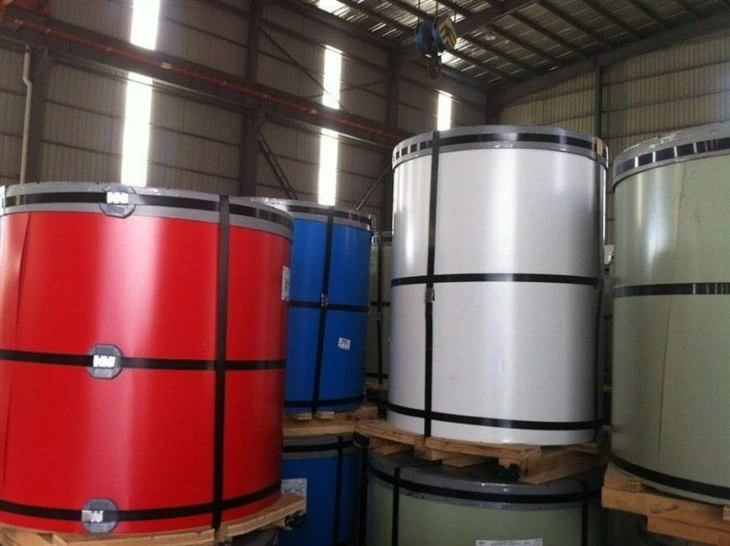
Stainless steel, is an alloy of iron that is resistant to rusting and corrosion. It contains at least 10.5% chromium and usually nickel, and may also contain other elements, such as carbon, to obtain the desired properties. Stainless steel's resistance to corrosion results from the chromium, which forms a passive film that can protect the material and self-heal in the presence of oxygen. Stainless steel can be rolled into sheets, plates, bars, wire, and tubing.
What are Advantages of Stainless Steel
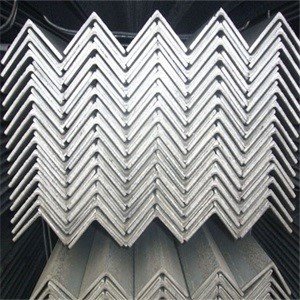
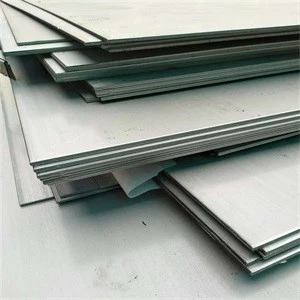

Corrosion Resistance
Chromium is the alloying element that imparts to Stainless Steel their corrosion-resistant qualities. Lower alloyed grades resist corrosion in atmospheric and pure water environments; high-alloyed grades can resist corrosion in most acids, alkaline solutions, and chlorine bearing environments making their properties useful in process plants.
Fire and Heat Resistance
Special high chromium and nickel-alloyed grades resist scaling and retain high strength at high temperatures. Stainless Steel is used extensively in heat exchangers, super-heaters, boilers, feedwater heaters, valves, and mainstream lines as well as aircraft and aerospace applications. Stainless steel has a high melting point, which means it can withstand elevated temperatures without melting or deforming. (The specific melting point depends on the alloy composition)
Hygiene
Stainless steel tubing has a smooth, non-porous surface that is easy to clean and maintain. It is commonly used in critical applications such as food and beverage processing, pharmaceutical manufacturing, biotechnology, medical devices, and cleanroom environments. Its corrosion resistance further enhances its longevity, making it an essential component in industries where hygiene, precision, and sterility are non-negotiable.
Aesthetic Appearance
The bright easily maintained surface of stainless steel provides a modern and attractive appearance. The availability of various finishes, including brushed, polished, and satin, provides designers with versatility to achieve specific aesthetic effects, ensuring stainless steel tubing’s enduring appeal in a wide range of applications.
Strength-to-Weight Advantage
The work-hardening property of austenitic grades results in a significant strengthening of the material from cold-working alone, and the high strength duplex grades, allow reduced material thickness over conventional grades yielding considerable cost savings. The high strength of stainless steel tubing allows engineers and designers to create robust and durable structures and components while minimizing overall weight.
Ease of Fabrication
Stainless steel has excellent formability and machinability. Its versatility allows for various fabrication methods, including cutting, welding, bending, and forming, making it a preferred material in many industries for creating a wide range of products and structures. It is indispensable in medical applications, where precision, hygiene, and longevity are paramount.
Impact Resistance
The austenitic microstructure of the 300 series provides high toughness at elevated temperatures ranging far below freezing, making these steels particularly suited to cryogenic applications. Thicker-walled tubing tends to exhibit greater resistance to impact, especially when designed to efficiently distribute stress. This is important for applications where the material needs to withstand forces and shocks without failing or deforming, ensuring the overall reliability and durability of the system.
Long-Term Value
In considering total cost, it is appropriate to consider material and production cost AND the life cycle cost. When the total life cycle costs are considered, stainless is often the least expensive material option. The cost-saving benefit of a maintenance-free product having a long life expectancy. It has a longer lifespan compared to carbon steel, which can corrode and degrade more rapidly under certain conditions.
100% Recyclable
Over 50% of new stainless comes from old remelted stainless steel scrap, thereby completing the full life cycle. Recycling stainless steel reduces the demand for new materials, conserves energy and minimizes environmental impacts of mining and production. Because stainless steel is non-corrosive and durable, it can be recycled repeatedly without losing its inherent properties.
What are Features of Stainless Steel
Aesthetics
Stainless steel has a great variety of surface finishes, from matt to bright and including brushed and engraved. It can be embossed or tinted, making stainless a unique and aesthetic material. It is often used by architects for building envelopes, interior design and street furniture.
Mechanical Properties
Compared to other materials, stainless steel has strong mechanical properties at ambient temperatures – it is steel after all! In particular, it combines ductility, elasticity and hardness, enabling it to be used in difficult metal forming modes (deep stamping, flat bending, extrusion, etc.) while offering resistance to heavy wear (friction, abrasion, impact, elasticity, etc.). Furthermore, it offers good mechanical behaviour at both low and high temperatures.
Resistance to Fire
Stainless steel has the best fire resistance of all metallic materials when used in structural applications, having a critical temperature above 800°C. Stainless steel is ranked A2s1d0 for fire resistance with no toxic fume emissivity.
Corrosion Resistance
With a minimum chromium content of 10.5%, stainless steel is continuously protected by a passive layer of chromium oxide that forms naturally on the surface through the reaction of the chromium with oxygen from air or water. If the surface is scratched, it regenerates itself. This particularity give stainless steels their corrosion resistance.
Cleanability
Stainless steel items are easy to clean, usual cleaning products (detergents, soap powders) are sufficient and do not damage the surface. Stainless steel fully meets the requirements of decoration and cooking utensils that require frequent and effective washing.
Recycling
Stainless steel is the “green material” par excellence and is infinitely recyclable. Within the construction sector, its actual recovery rate is close to 100%. It is environmentally neutral and inert when in contact with elements such as water and it does not leach compounds that might modify their composition. These qualities make stainless steel ideally suited to building applications exposed to adverse weather, such as roofs, facades, rainwater recovery systems and domestic water pipes. Stainless steel’s longevity fulfils the requirements of sustainable construction, and effective erection, installation and low maintenance guarantee the user an unrivalled service life.
Common Types of Stainless Steel

01
Ferritic
Ferritic steels are the 400 Grade stainless steels noted for their high chromium content, which can range from 10.5% to 27%. They have magnetic properties, too, offers good ductility, tensile-property stability, and resistance to corrosion, thermal fatigue, and stress-corrosion cracking.

02
Austenitic
Perhaps the most common category of stainless steel, austenitic grade steels are high in chromium, with varying amounts of nickel, manganese, nitrogen, and some carbon. Austenitic steels are divided into the 300 series and 200 series subcategories, which are determined by which alloys are used. The austenitic structure of the 300 series is distinguished via the addition of nickel. The 200 series primarily uses the addition of manganese and nitrogen. Grade 304 is the most common stainless steel.
03
Martensitic
Martensitic stainless steels are in the 400 Grade series of stainless steels. They have a low to high carbon content, and contain 12% to 15% chromium and up to 1% molybdenum. It’s used whenever corrosion resistance and-or oxidation resistance are required along with either high strength at low temperatures or creep resistance at elevated temperatures. Martensitic steels are also magnetic and possess relatively high ductility and toughness, which make them easier to form.

04
Duplex
As the name implies, duplex stainless steels possess a mixed microstructure of ferrite and austenite. The chromium and molybdenum content is high, with 22% to 25%, and up to 5%, respectively, with very low nickel content. The duplex structure gives the stainless steel many desirable properties. For starters, it offers double the strength of ordinary austenitic or ferritic stainless steels, with excellent corrosion resistance and toughness.
Automotive Industry
Catalytic converters, exhaust systems, and structural purposes. Steel helps to reduce long-term maintenance costs, lifetime value and environmental impact.
Construction Industry
Facades, cladding and roofing. Stainless steel is known for its anti-vandalism properties and is popular for public equipment like ticket machines.
Mining & Materials
Stainless steel has played a part in many large-scale projects, with improved tools and better facilities for workers to live in.
Railway Industry
Stainless steel is corrosion-resistant and offers excellent mechanical properties, which is ideal for the railway industry. Austenitic stainless steel has been used for carriages, and ferritic stainless steel is used for freight wagons.
Oil And Gas Industries
Stainless tanks, pipes, pumps and valves. The oil and gas industry relies on steel due to its corrosion-resistant properties.
Process of Stainless Steel
Manufacturing stainless steel starts with melting scrap metals and additives in an electric arc furnace (EAF). Using high-power electrodes, the EAF heats the metals over the course of many hours to create a molten, fluid mixture.
As stainless steel is 100% recyclable, many stainless orders contain as much as 60% recycled steel. This helps to not only control costs but reduce environmental impact.
Exact temperatures will vary based on the grade of steel created.
Carbon helps to increase the hardness and strength of iron. However, too much carbon can create problems—such as carbide precipitation during welding.
Before casting molten stainless steel, calibration and reduction of carbon content to the proper level is essential.
There are two ways foundries control carbon content.
The first is through Argon Oxygen Decarburization (AOD). Injecting an argon gas mixture into the molten steel reduces carbon content with minimal loss of other essential elements.
The other method used is Vacuum Oxygen Decarburization (VOD). In this method, molten steel is transferred to another chamber where oxygen is injected into the steel while heat is applied. A vacuum then removes vented gases from the chamber, further reducing carbon content.
Both methods offer precise control of carbon content to ensure a proper mixture and exact characteristics in the final stainless steel product.
After reducing carbon, a final balancing and homogenization of temperature and chemistry occurs. This ensures that the metal meets requirements for its intended grade and that the steel’s composition is consistent throughout the batch.
Samples are tested and analyzed. Adjustments are then made until the mixture meets the required standard.
With the molten steel created, the foundry must now create the primitive shape used to cool and work the steel. The exact shape and dimensions will depend on the final product.
Common shapes include:
Blooms, Billets, Slabs, Rods, Tubes.
Forms are then marked with an identifier to track the batch through the various processes to follow.
From here steps will differ depending on the intended grade and final product or function. Slabs become plates, strips and sheets. Blooms and billets become bars and wires.
Depending on the grade or format ordered, a steel might go through some of these steps multiple times to create the desired appearance or characteristics.
How Do You Maintain Stainless Steel
Don’t Use Abrasives on Stainless Steel
Never use abrasive pads, sandpaper, steel wool, metal brushes, or any harsh abrasive cleaners on your stainless steel. Some soft abrasives may work when used in extremely specific scenarios, but always do a spot test and allow the material to dry before moving on to cleaning large areas.
Use Appropriate Safety Equipment
Safety glasses or goggles, aprons, gloves, and other equipment will keep workers safe when handling any acid or corrosive cleaners. If you’re using an electrolytic weld cleaner to clean discoloration and protect the surface, you’ll be able to reduce the amount of safety equipment you need to wear.
Clean in a Ventilated and Safe Environment
Always clean stainless steel components in a well-ventilated area and avoid splashing any chemicals on other surfaces.
Always Add Water to Acid, Not Acid to Water
If you have to use any type of acid when cleaning stainless steel components, always add the water slowly and carefully to the acid to avoid any splashing. Read the safety information before handling any acid to ensure that you are following all of the manufacturer’s instructions.
Follow the Procedures
Even if you have used cleaning products before, always double-check the procedures to ensure you don’t miss a step. Not all cleaning products are the same, and different cleaning products require different clean-up and handling procedures.
How to Clean a Stainless Steel
Wipe the Surface
Depending on the appliance you are cleaning, remove any items that could get in the way (such as magnets or suction-cup hangers). Put on the rubber gloves. Dampen a microfiber cloth in warm water and wipe the stainless steel to wet it. We found that starting with a wet surface made it easiest to work with the dish soap.
Next, dampen a second microfiber cloth and add a drop or two of dish soap (less is more here). Slowly begin to wipe down the appliance. You may need to periodically dampen the cloth and add a bit more soap depending on the surface area of the appliance and how dirty it is.
Tackle Stubborn Stains
Most stains will lift easily with the dish soap solution and vigorous rubbing with a cloth. But some stains can be pretty stubborn (particularly in the kitchen); for these, we recommend using a gentle, scrubbing dish sponge with the same combination of dish soap and warm water. For particularly challenging stains, you may need to alternate between scrubbing in a circular motion and rubbing up and down.
Rinse (and Rinse Some More)
It can be tricky—and messy—to fully wipe off soapy residue. Some people avoid this by making a solution of water and dish soap, but that’s really not necessary for cleaning stainless steel. We tried a few methods and discovered that a complete rinse comes down to two things: limiting how much dish soap you use and keeping a wet, soap-free cloth on hand throughout the process.
As you wipe off the soapy residue with your wet, soap-free cloth, be sure to occasionally rinse the cloth thoroughly in clear water so you don’t continue to redistribute the soap. You will know you are done when you no longer see any suds—just a wet surface.
Dry It Down
With the third microfiber cloth, dry the stainless steel. The easiest way to avoid streaks is to manually dry the entire appliance rather than letting it air-dry. But if you don’t have time to dry the appliance by hand, you can avoid streaks by taking care to wipe it evenly as you clean it.
Our Certificate
Our professional quality inspectors will conduct a quality inspection on each batch of products. Furthermore, authoritative test reports are also available.


Customers can choose any length or other requirements, order or purchase various steel products or request special specifications.
Adjusting for the temporary lack of specifications in this library, saving you the trouble of rushing to buy.
Our transport service, which can be delivered directly to your designated place.
For the sold materials, we are responsible for the overall quality tracking, in order for you to eliminate worries.

One-stop service helps you choose products suitable for your market and budget, save time, and achieve win-win cooperation.
Contact Us
+8613153828686
Frequently Asked Questions
As one of the most professional stainless steel manufacturers and suppliers in China, we're featured by quality products and competitive price. Please rest assured to buy stainless steel for sale here and get free samples from our factory. Also, customized service is available.
ASTM Stainless Steel Elbow, Stainless Steel Capillary Tubes, Stainless Steel Corner Profile