


Width: 600mm to 1500mm
Thickness: 0.125mm to 3.5mm
Galvanized: 40g/m2 to 275g/m2
Clothing: Type Z10-Z29
Length: 1420-2000 mm
Galvanized Steel Sheet

Your Professional Galvanized Steel Sheet Supplier
Hormann (Jinan) Metal Co., Ltd. was a company specializing in the professional production of various specifications and models of steel, research and development, design, production, sales, and service. Our products include galvanized steel, seamless steel pipe, stainless steel, aluminum alloy, copper alloy, black iron sheet, stainless rebar, and prepainted steel coil.
Why Choose Us
Wide Range of Applications
Our products are used in the construction industry, automotive industry, shipbuilding industry, chemical industry, metallurgical industry, aerospace industry, etc.
Broad Market
Our products are sold to the global market, mainly in the Middle Eastern countries, North America, Australia, and other regions, and have won unanimous praise.
Professional Advanced Equipment
We have a series of equipment specializing in the production of steel, including steel plate pretreatment equipment, steel plate leveling equipment, cutting machines, cold processing equipment, assembly equipment, welding equipment, correction equipment, painting equipment, lifting equipment, transportation equipment.
Leading Service
Professional engineers can provide consultation on sprocket expertise and professional advice on product selection, design, installation, and maintenance.
-
![DX51D Galvanized Iron Steel Coil Sheet]()
-
![Galvanized Roofing Corrugated Metal Sheet]() Galvanized Roofing Corrugated Metal SheetWidth:600-1250mmread more
Galvanized Roofing Corrugated Metal SheetWidth:600-1250mmread more
Thickness:0.11-5.0 mm
Zinc coating:30~600G/M2
Spangle: Regular spangle,Minimum spangle, Zero spangle, Big spangle -
![Q235B 1.2mm Hot-dip Galvanized Steel Sheet]() Q235B 1.2mm Hot-dip Galvanized Steel SheetWidth: 900-1000mmread more
Q235B 1.2mm Hot-dip Galvanized Steel SheetWidth: 900-1000mmread more
Length: 100-15000 mm
Thickness: 0.12-10mm
Clothing: Type Z61-Z80
Sequins: Large, medium, small, zero. -
![CGCC Ss304 Galvanized Steel Sheet]() CGCC Ss304 Galvanized Steel SheetThickness: 0.21-0.50mmread more
CGCC Ss304 Galvanized Steel SheetThickness: 0.21-0.50mmread more
Length: 100-1200mm customizable
Width: 1000mm-2000mm customizable
Glitter: Large/medium/small/zero -
![SGCC 0.88mm Galvanized Steel Sheet]() SGCC 0.88mm Galvanized Steel SheetLength: 3m, 6m, 9m,12mread more
SGCC 0.88mm Galvanized Steel SheetLength: 3m, 6m, 9m,12mread more
Width: 600-1250 mm
Thickness: 0.1-5 mm
Galvanized: 30-275 g/m 2
Surface structure: Zero glitter/Mini glitter/Regular glitter/Large glitter -
![SS304 Galvanized Steel Plate]() SS304 Galvanized Steel PlateModel: 2-100 mm *600-1250 mmread more
SS304 Galvanized Steel PlateModel: 2-100 mm *600-1250 mmread more
Width: 600 mm -1250 mm
Length: 1-12 m
Thickness: 0.12-0.2, 0.21-0.50 mm
Tolerance: ±1% -
![1.5mm Galvanized Steel Sheet]() 1.5mm Galvanized Steel SheetLength: 1000mm -12000 mmread more
1.5mm Galvanized Steel SheetLength: 1000mm -12000 mmread more
Width: 500-1500 mm
Tolerance: ±1%
Model: 2-100 mm *600-1250 mm -
![Galvanized Steel GI Plate]() Galvanized Steel GI PlateThickness: 0.12-6mmread more
Galvanized Steel GI PlateThickness: 0.12-6mmread more
Width: 10-1500mm
Length: 10-2000mm customizable
Galvanized: 30-275 grams -
![Galvanized Cold Rolled Steel Sheet]() Galvanized Cold Rolled Steel SheetLength: 2500 mm customized according to customer requirementsread more
Galvanized Cold Rolled Steel SheetLength: 2500 mm customized according to customer requirementsread more
Width: 900-2000mm
Thickness: 0.12-4.0mm -
![DX51D Galvanized Steel Sheet]() DX51D Galvanized Steel SheetLength:2000-12000mmOr customizeread more
DX51D Galvanized Steel SheetLength:2000-12000mmOr customizeread more
Width: 900-2000mm or customized
Thickness: 0.12-4.0mm or customized
Grade: SGCC/CGCC/DX51D
Materials: Z275,DX51D,SGCC,G300,G550,SGCH570 -
![SPCC Galvanized Steel Sheet]() SPCC Galvanized Steel SheetWidth: 1000mm\1250mm\1500mmread more
SPCC Galvanized Steel SheetWidth: 1000mm\1250mm\1500mmread more
Length: 2500mm Can be customized
Thickness: 0.3-3.0mm
Tolerance:±1% -
![Z40 Galvanized Steel Sheet]() Z40 Galvanized Steel SheetWidth:1000mm\1250mm\1500mm Can be customizedread more
Z40 Galvanized Steel SheetWidth:1000mm\1250mm\1500mm Can be customizedread more
Length: 2500mm Can be customized
Thickness: 0.3-3.0mm
Tolerance:±1%
Standard: AiSi, ASTM, bs, DIN, GB, JIS


Definition of Galvanized Steel Sheet
Galvanization is a manufacturing process involving the application of zinc coating to steel to prevent it from rusting. The zinc coating works to protect the base metal. It does this by acting as a barrier to the various corrosive elements. Galvanized sheet metal is one of the most popular types of steel. This is due to its increased strength, extended durability, and formability. The corrosion-resistant property throws its usefulness up a significant notch.

What are Advantages of Galvanized Steel Sheet


Durable
The galvanized coating offers one of the most durable corrosion protection in the industry. With an average zinc coating of 85 microns, you can protect your steel structure for the good part of a century. This coating thickness also meets the required corrosion performance in various applications in the world today.
Reliable Coating
The coating formed on the steel is consistent and specified. All thanks to the relatively closely controlled galvanization process. Galvanized steel offers the most reliable protection from corrosion for several reasons. First, the natural metallurgical reaction makes the process replicable. Unlike paint coatings, the bond formed through galvanization forms a part of the steel itself. The resultant galvanized coating offers due protection to the steel for a long time.
Cost-Effective
When considering the true cost of steel protection, some factors are put into consideration. Two of the major factors include the initial cost and the lifetime cost of protection. Galvanization offers a high-performance coating such that you won’t need to paint your steel for a very long time. While galvanization costs remain constant, we have seen an increase in painting costs over the years. The initial cost of galvanized sheet metal is often low, and the steel is ready to use immediately after delivery.
Fast Turnaround
With the right company, you can get steel galvanized within a very short period. The steel galvanization process is not time-consuming. Once the prepared steelwork is ready, the job should be done within 24 hours. Although the preparation must be thorough, it need not take too much time. The process itself is straightforward and relatively immediate. Processing of orders at the galvanizing plat may push the turnaround to about three days.
Complete Coverage
The bond formed between steel and steel during galvanization is very strong. This coating usually lasts for generations. Alongside the increased strength of the steel material, there is also superior coverage.
This ensures that the structures of the galvanized sheet metal remain protected, even when they are most vulnerable.

who we are?
Excellent Protection
The zinc coating on galvanized steel provides an excellent protective barrier. It shields the underlying steel from rust, oxidation, and other forms of corrosion. Galvanized steel is particularly suitable for applications where long-term protection against corrosion is critical, such as construction, infrastructure, and outdoor equipment.
Self-Healing
Galvanized steel possesses a unique self-healing property. If the zinc coating is scratched or damaged, it forms a protective layer of zinc oxide and zinc carbonate over the exposed area, effectively sealing it from further corrosion. This self-healing mechanism helps maintain the integrity of the steel and prolongs its lifespan. Owing to this zinc-oxide magic, Galvanized steel presents itself as a reliable, long-lasting solution in various applications demanding superior corrosion resistance.
Cost-Effective
Galvanized steel offers cost-effectiveness in terms of both initial investment and long-term maintenance. The extended lifespan and corrosion resistance of galvanized steel reduces the need for frequent repairs, replacements, and associated costs. It provides a reliable and economical solution for various applications.
Durability
Galvanised steel is known for its exceptional durability. The zinc coating provides a robust barrier against moisture, chemicals, and atmospheric elements, making galvanized steel resistant to damage and wear. It can withstand exposure to harsh conditions, including outdoor environments, without significantly degrading.
Easy Maintenance
Galvanized steel requires minimal maintenance throughout its service life. It does not need frequent repainting or recoating to maintain its corrosion resistance. The zinc coating provides long-lasting protection, reducing the need for regular maintenance, touch-ups, or replacement.
Versatility
Galvanized steel is highly versatile and can be fabricated, formed, or welded to meet specific requirements. This versatility makes galvanized steel suitable for a wide range of applications, including construction, automotive, agricultural, and manufacturing industries.
Aesthetic Appeal
Galvanized steel can have an attractive, shiny appearance, particularly when it is newly galvanized. Over time, the zinc coating develops a characteristic dull grey patina, which is often desired in architectural and industrial applications for its distinct aesthetic appeal.
Common Types of Galvanized Steel Sheet
Hot-Dip Galvanized Steel Sheet
Immerse the sheet steel into the molten zinc bath to make its surface adhere to the zinc sheet steel.
At present, it is also basically produced by a continuous galvanizing process, which can continuously dip the rolled steel plate into the molten zinc plating bath to make galvanized steel plate;
Alloyed Galvanized Steel Sheet
Moreover, this kind of steel plate is basically manufactured by a hot dip method, but it can be heated to about 500 ℃ immediately after it is out of the tank, which is also an alloy coating that can make it produce zinc and iron.
This kind of galvanized sheet also has very good coating adhesion and weldability;
Electrogalvanized Steel Sheet
The galvanized steel plate is mainly manufactured by electroplating method, which basically has a particularly good processing performance.
However, the coating is relatively thin and its corrosion resistance is not as good as that of hot-dip galvanized sheet;
Single-Sided Galvanized Steel Plate and Double-Sided Differential Galvanized Steel Plate
Single-sided galvanized steel plate, that is, products that are galvanized on one side only.
It has better adaptability than double-sided galvanized sheet in welding, coating, anti-rust treatment, processing, etc.
In order to overcome the shortcoming of single side without zinc coating, there is another kind of galvanized sheet coated with thin layer of zinc on the other side, that is, double-sided differential galvanized sheet;
Alloy and Composite Galvanized Steel Plate
It mainly uses zinc and other metals such as lead and zinc to make alloy and even composite plating steel plate.
This kind of steel plate not only has excellent anti-rust performance, but also has good coating performance.
Applications of Galvanized Steel Sheet
1.Wind And Solar Industries
Wind and Solar Industries are sectors where continuous workflow is needed. The use of galvanized steel sheets allows the industries to operate in a similar fashion. The steel sheets don’t require maintenance for decades as this steel sheet type is extremely durable.
2.Agriculture Industry
The agriculture industry is yet another sector where galvanized steel sheet is used highly. The field requires tools and materials to be highly resilient and resistant to corrosion and oxidation. Galvanized Steel sheets have qualities that are ideal for fulfilling these needs.
03
Automotive Industry
It is quite a common thing to use galvanized steel sheets in the automotive industry, especially in the manufacturing of automobiles. Cars, buses, and so on have galvanized steel sheets used on the outer surfaces, which are more prone to corrosion and rust due to various factors.
04
Construction Industry
In the construction industry, galvanized steel sheet is used not just for the purpose of strength and longevity, but also for aesthetics. The shiny finish of the galvanized steel sheets adds that modern architectural zing to the structures erected by the construction industry.
05
Telecommunication Industry
The Telecommunication Industry uses a lot of tools, equipment, and devices, like telephone lines, boxes, towers, and so on, that are generally kept out in the open, and it is required for them to function for years without regular maintenance. Galvanized steel sheets allow for the continuous use of these resources.
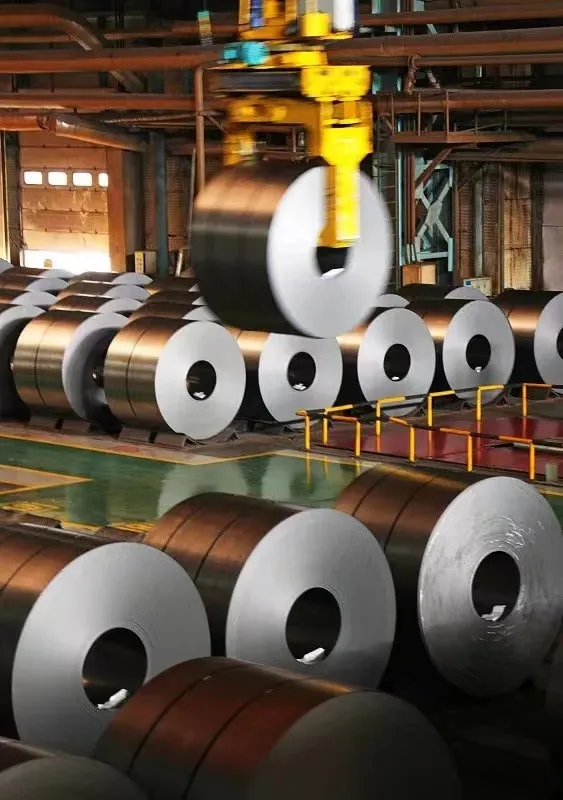
Process of Galvanized Steel Sheet
Surface Preparation
The steel to be galvanized is first thoroughly cleaned to remove any dirt, rust, or contaminants. This is typically done by immersing the steel in a degreasing bath or using chemical cleaning agents. The goal is to ensure a clean and smooth surface for proper adhesion of the zinc coating.
Acid Pickling
After the initial cleaning, the steel is immersed in an acid solution, usually a diluted mixture of hydrochloric acid and sulfuric acid. This step, known as acid pickling, removes any remaining mill scale, rust, or oxides from the steel's surface. It also helps to etch the surface, creating a rough texture that improves the bond between the steel and the zinc coating.
Fluxing
Once the steel has been pickled, it undergoes fluxing. Flux is a chemical compound, often a mixture of zinc ammonium chloride and other additives, which is applied to the steel's surface. Fluxing helps to remove any remaining oxides, promotes the flow of the zinc coating, and prepares the surface for galvanization.
Galvanisation
The steel is now ready for galvanization. It is immersed in a bath of molten zinc, typically heated to a temperature between 815°C and 850°C (1500°F and 1560°F). The zinc bath may contain additional alloying elements, such as aluminum, to enhance the coating's properties. As the steel is immersed in the bath, the molten zinc reacts with the iron in the steel, forming a metallurgical bond. The zinc coating covers the entire surface of the steel, providing a protective layer.
Removal and Cooling
After the steel has been thoroughly coated with zinc, it is slowly withdrawn from the zinc bath to allow excess zinc to drain off. The steel is then cooled, either by air or by quenching in water. This solidifies the zinc coating and ensures it adheres firmly to the steel surface.
Inspection and Quality Control
Once the galvanization process is complete, the galvanized steel is inspected for any imperfections, such as bare spots or rough areas. Various quality control tests, including coating thickness measurement, visual inspection, and adherence to relevant standards, are conducted to ensure the final product meets the required specifications.
Considerations When Using Galvanized Steel Sheet
Proper Storage and Transportation
During transportation and storage, galvanized steel should be handled with care to avoid breakage, scratches, or surface damage. In particular, avoid contact with chemicals and strong mechanical impacts that can damage the zinc coating and reduce the corrosion resistance of the steel.
Product Quality Check
Before use, thoroughly inspect the galvanized steel to ensure its technical properties and durability. Check the surface of the steel for any defects, scratches, or abnormalities. If any issues are found, promptly inform the supplier or manufacturer to receive support and address the issue.
Proper Installation and Connections
When installing galvanized steel, use proper installation methods and ensure that the connections, screws, and fasteners used are made of materials compatible with galvanized steel. Using stainless steel screws and accessories will reduce the risk of electrochemical corrosion and corrosion.
Follow Standards and Guidelines
Adhere to the technical standards and guidelines provided by the manufacturer or relevant government agencies when using galvanized steel. These guidelines include regulations on thickness, installation methods, preservation, and maintenance of the product.
Regular Maintenance
To maintain the corrosion resistance and lifespan of galvanized steel, perform regular maintenance. This includes checking and cleaning the galvanized steel surface, repainting scratched areas, and replacing damaged or aged parts.
Prevent Electrochemical Interaction
When using galvanized steel alongside other metals, avoid direct contact between different metals, especially when they are wet or in a moist environment. Electrochemical interaction between different metals can cause corrosion and damage the zinc coating.
Customize Warranty Policies
If you plan to use galvanized steel in special applications or have specific requirements, customize the warranty policies with the supplier or manufacturer. This ensures that the product meets your specific requirements and quality.
By paying attention to and following the requirements and advice above, you can effectively and durably use galvanized steel, ensuring its corrosion resistance and durability over time.
Our Certificate
Our professional quality inspectors will conduct a quality inspection on each batch of products. Furthermore, authoritative test reports are also available.


Our Service
Customers can choose any length or other requirements, order or purchase various steel products or request special specifications.
Adjusting for the temporary lack of specifications in this library, saving you the trouble of rushing to buy.
Our transport service, which can be delivered directly to your designated place.
For the sold materials, we are responsible for the overall quality tracking, in order for you to eliminate worries.
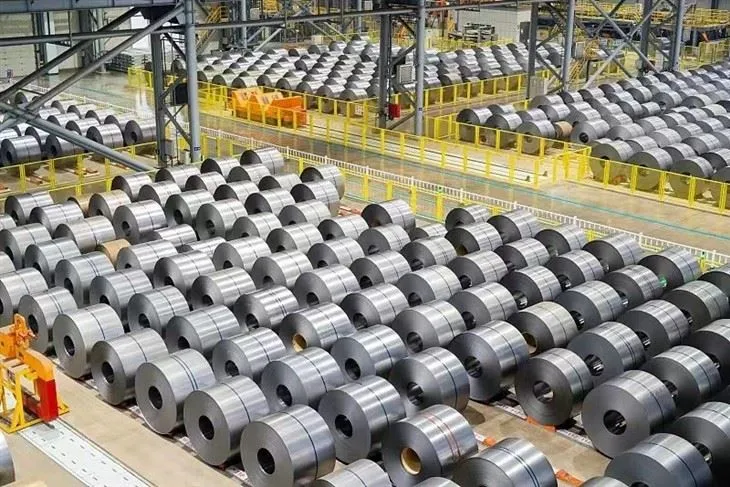

Our Factory
One-stop service helps you choose products suitable for your market and budget, save time, and achieve win-win cooperation.
Contact Us
Email
nancy@cn-hormann.com
Address
No. 2687 Ziwei Road, University Science Park, Changqing District, Jinan City, Shandong Province Room 1015, Area A, 10th Floor, Building A, West Innovation Park, Jinan
Phone
+8618769555682
+8613153828686
+8613153828686
Frequently Asked Questions
As one of the most professional galvanized steel sheet manufacturers and suppliers in China, we're featured by quality products and competitive price. Please rest assured to buy galvanized steel sheet for sale here and get free samples from our factory. Also, customized service is available.
Z40 Galvanized Steel Sheet, DX51D Galvanized Steel Sheet, Galvanized Steel Sheet