


Diameter: 3mm-800mm or custom
Length: 100mm-12000mm or As Required
Copper Alloy
Your Professional Copper Alloy Manufacturer
Hormann (Jinan) Metal Co., Ltd. is located in Jinan, a beautiful spring city surrounded by mountains and rivers and rich cultural heritage. It is a professional production of various specifications and models of steel, research and development, design, production, sales, service in one of the company.The company mainly provides domestic and foreign galvanized steel pipe, steel plate, color coated coil and other steel products, with domestic and foreign large builders, factories, wholesalers and other in-depth cooperation, to provide more enterprises with high-quality products.
-
![Solid Copper Rivet]()
-
![Copper Soft Metal]()
-
![Copper Foil Sheet]() Copper Foil SheetWidth:500mm-2000mm Or As Requiredread more
Copper Foil SheetWidth:500mm-2000mm Or As Requiredread more
Thickness:0.01mm-1mm Or As Required
Length: As Required -
![Embossed Copper Sheet]() Embossed Copper SheetWidth:500mm-2000mm Or As Requiredread more
Embossed Copper SheetWidth:500mm-2000mm Or As Requiredread more
Thickness:0.5mm-200mm Or As Required
Length: As Required -
![Copper Sheet Drawing]() Copper Sheet DrawingWidth:500mm-2000mm Or As Requiredread more
Copper Sheet DrawingWidth:500mm-2000mm Or As Requiredread more
Thickness:0.5mm-200mm Or As Required
Length: As Required -
![Copper Film]() Copper FilmWidth:500mm-2000mm Or As Requiredread more
Copper FilmWidth:500mm-2000mm Or As Requiredread more
Thickness:0.5mm-200mm Or As Required
Length: As Required -
![Brushed Copper Sheet]() Brushed Copper SheetWidth:500mm-2000mm Or As Requiredread more
Brushed Copper SheetWidth:500mm-2000mm Or As Requiredread more
Thickness:0.5mm-200mm Or As Required
Length: As Required -
![Annealed Copper Sheet]() Annealed Copper SheetWidth:500mm-2000mm Or As Requiredread more
Annealed Copper SheetWidth:500mm-2000mm Or As Requiredread more
Thickness:0.5mm-200mm Or As Required
Length: As Required -
![Polished Copper Pipe]() Polished Copper PipeLength :1-30 meters or customizedread more
Polished Copper PipeLength :1-30 meters or customizedread more
Wall thickness: customized upon request
Outer diameter:customized on request -
![Microporous Copper Tube]() Microporous Copper TubeLength :1-30 meters or customizedread more
Microporous Copper TubeLength :1-30 meters or customizedread more
Wall thickness: customized upon request
Outer diameter:customized on request -
![Copper Connection]() Copper ConnectionLength :1-30 meters or customizedread more
Copper ConnectionLength :1-30 meters or customizedread more
Wall thickness: customized upon request
Outer diameter:customized on request -
![Induction Welding Of Copper Pipe]() Induction Welding Of Copper PipeLength :1-30 meters or customizedread more
Induction Welding Of Copper PipeLength :1-30 meters or customizedread more
Wall thickness: customized upon request
Outer diameter:customized on request


Why Choose Us
Excellent Technology
Our company introduces advanced product design concepts, independent research and development, production, etc. We have many years of experience in steel product processing and a professional technical team. Our technology has reached the leading level in the industry, and we can provide customers with professional, efficient and precise processing services.
Quality Guarantee
We use the most advanced manufacturing technology and strict testing standards in the product manufacturing process to provide customers with products with mature technology and reliable quality.
Production Market
Our products are sold to the global market, mainly in the Middle East countries, North America, Australia and other regions, won unanimous praise, and has long-term cooperation with customers, with good trust relationship, adhere to the service of every customer.
OEM/ODM
When you make a request, our designers will provide the perfect product according to your needs.Customers can choose any length or other requirements. Order or purchase all types of steel or special specifications.
Advantages of Copper Alloy


Long Life-span Granted by Corrosion Resistance
Copper alloys are praised for their superb resistance to corrosion. This is due to the natural ability of copper to form a protective oxide layer on its surface when exposed to air, which acts as a barrier against corrosion. The addition of other elements to copper, such as tin, nickel and zinc, can further enhance the corrosion resistance of copper alloys.
High Conductivity, Satisfying Different Conditions
Apart from being in a long life span, copper alloys are also known for their high electrical conductivity, which is second only to silver. Copper alloys have a high number of free electrons that can move easily through the material, allowing electricity to flow with minimal resistance. This property makes copper alloys viable for electrical and electronic applications.
Strength Retention, Toughness and Brittleness
Copper alloys are well known for their excellent mechanical properties, including high strength, ductility and toughness. These properties make copper alloys a perfect material for a wide range of applications, particularly those that require reliable performance in demanding conditions.
Excellent Machinability and Ease of Fabrication
Copper alloys have excellent machinability due to their unique combination of properties, including their high thermal conductivity, low hardness and good ductility. These properties allow copper alloys to be easily machined, shaped and formed into complex parts and components.
Resistance to Biofouling and Repels Algae and Barnacles
Copper alloys have been found to be highly effective in preventing biofouling. The natural antimicrobial properties of copper, combined with its ability to form a protective oxide layer, make it a feasible material for marine applications. Copper alloys can effectively inhibit the growth of microorganisms, such as bacteria and algae, on their surfaces, reducing the buildup of biofouling and improving the performance and efficiency of marine structures.
Specification
|
Type |
Size |
|
Copper Rivet |
Diameter: 3mm-800mm or custom Length: 100mm-12000mm or As Required |
|
Copper Foil Sheet |
Width:500mm-2000mm Or As Required Thickness:0.01mm-1mm Or As Required Length: As Required |
|
Copper Sheet |
Width:500mm-2000mm Or As Required Thickness:0.5mm-200mm Or As Required Length: As Required |
|
Copper Pipe |
Length :1-30 meters or customized Wall thickness: customized upon request Outer diameter:customized on request |
|
Copper foil tape |
Thickness: 1 mm - 35 mm Width: 50 mm - 1000 mm Length: 5 meters,10 meters or custom. |
Application of Copper Alloy
Electrical and Electronics
Copper alloys find extensive use in the electrical and electronics industry due to their exceptional electrical conductivity. Brass is utilized for manufacturing electrical connectors, terminals, switches, circuit breakers, and various other electrical components. Its excellent conductivity, along with its corrosion resistance, makes it ideal for these applications. Copper alloys are also employed in the production of wiring, cables, bus bars, and printed circuit boards (PCBs), owing to their superior electrical and thermal conductivity properties.
Architecture and Construction
Copper alloys have been utilized in architecture and construction for centuries due to their appealing appearance, durability, and corrosion resistance. Brass and bronze, which are copper alloys with zinc and tin, respectively, are frequently used in decorative elements, such as door handles, hinges, handrails, and architectural accents. Copper alloys are also used for roofing, gutters, and downspouts, as they develop an attractive patina over time, providing a unique aesthetic to buildings. Additionally, copper alloys are employed in plumbing systems, valves, fittings, and heat exchangers due to their excellent corrosion resistance and antimicrobial properties.
Marine Applications
The marine industry extensively employs copper alloys due to their resistance to corrosion in saltwater environments. Brass and bronze are commonly used in marine applications, including propellers, ship fittings, valves, and piping systems. These alloys' resistance to corrosion ensures longevity and reliability in harsh marine conditions. Furthermore, copper-nickel alloys, such as cupronickel, are used for seawater cooling systems, heat exchangers, and condensers due to their excellent resistance to biofouling and corrosion.
Automotive and Transportation
Copper alloys play a vital role in the automotive and transportation industries due to their excellent heat transfer, corrosion resistance, and mechanical properties. Brass and bronze alloys are used in various automotive components, including radiator cores, heat exchangers, connectors, bearings, and bushings. Their ability to withstand high temperatures, as well as their durability and wear resistance, makes them suitable for these applications. Copper alloys are also employed in electrical wiring systems, terminals, and connectors, taking advantage of their excellent conductivity.
Industrial Equipment and Machinery
Copper alloys are utilized in a wide range of industrial equipment and machinery applications. Brass and bronze alloys are commonly found in pump components, valves, fittings, and hydraulic systems due to their corrosion resistance, high strength, and machinability. These alloys can withstand challenging operating conditions, including high pressures and aggressive chemicals. Copper alloys are also used in gears, bearings, bushings, and various mechanical components where low friction, high wear resistance, and dimensional stability are crucial.
Medical and Healthcare
Copper alloys are employed in medical and healthcare applications due to their antimicrobial properties. Copper-nickel alloys are commonly used in medical gas distribution systems, sterilization equipment, and components for surgical instruments. These alloys help minimize the risk of bacterial contamination and are resistant to the formation of biofilms. Copper alloys are also utilized in dental instruments, implants, and orthodontic braces due to their biocompatibility, strength, and corrosion resistance.
Aerospace and Defense
Copper alloys find essential applications in the aerospace and defense industries. Aluminum bronze alloys are used for aircraft landing gear bushings, bearings, and hydraulic components due to their high strength, fatigue resistance, and corrosion resistance. Copper-nickel alloys are employed in marine and submarine applications within the defense sector due to their exceptional resistance to seawater corrosion and biofouling.
Types of Copper Alloys
Brass
The brass family of copper alloys incorporates zinc and other metals in different ratios to enhance strength, ductility, conductivity, corrosion resistance, and machinability.
Tin Brass
Tin brass is a member of the brass alloy family that includes copper, up to 40% zinc, and up to 3% tin. This high-strength, exceptionally corrosion-resistant brass is ideal for use in naval and marine applications.
Silicon Red Brass
Silicone red brass is a type of brass with less than 20% zinc and up to 6% silicon. An exceptionally strong alloy, silicon red brass is used for fail-safe valve components, gears, and bearings that require high corrosion resistance.
Bronze
The bronze family of copper is composed of copper alloys blended with tin. Its strength, corrosion resistance, and attractive finish make it popular for marine, engineering, and architectural applications.
Phosphor Bronze
Small amounts of phosphorus enhance bronze’s fatigue and wear resistance, for a harder alloy ideal for high-pressure, high-tension applications such as springs, gears, bearings, shafts, and fasteners.
Aluminum Bronze
Aluminum bronze includes between 5% and 12% aluminum, along with various combinations of other metals. This produces alloys with superior strength, corrosion resistance, toughness, and wear resistance.
Silicon Bronze
Silicon bronze alloys incorporate 3% silicon and 1% manganese to enhance ductility, strength, and weldability. They are perfect for architectural applications that require both beauty and functionality.
Copper Nickel
Copper nickel alloys are a family of copper alloys engineered for optimal resistance to corrosion from seawater in marine environments.
Nickel Silver
Nickel silver is named for its pleasing silver color. It is made up of copper, zinc, and between 10% and 20% nickel, and it offers the same level of corrosion resistance and strength as other brasses.
Process Of Copper Alloy
Raw material selection
The first step in copper alloy production is the selection of raw materials. Usually, copper is combined with other metals to form alloys with specific properties. The quality of the raw materials used plays a crucial role in determining the final product's quality.
Melt
Next, the raw materials are melted in a furnace. The furnace is heated up to high temperatures, and the raw materials are added to the furnace in precise proportions. This phase is critical because the correct proportions of the metals are vital in determining the properties of the final product.
Forming
After melting, the molten alloy is poured into molds to form slabs or billets. These molds are made of sand, graphite, or stainless steel, depending on the final product's requirements. After cooling, the resulting products are heat-treated to improve their mechanical, electrical, and thermal properties.
Testing
The final phase in the production process is the testing and quality control phase. The products are subjected to various testing procedures to ensure that they meet the required specifications. This phase ensures that the final product is of the highest quality, and it meets the customers' requirements.
Packing & Shipping
All our Copper alloy products are packaged in accordance with international standards to prevent any possible damage or loss. By default, we use thick woven bags to bundle finished tubes in batches. For some special pipes and pipes that are susceptible to dirt, scratches, stress or rough handling, we recommend wooden box protection. Please note that wooden boxes will incur additional costs, not only for the box itself, but also for shipping costs, especially by air. To enhance the customer experience, we can also offer special packages based on your specific requirements.


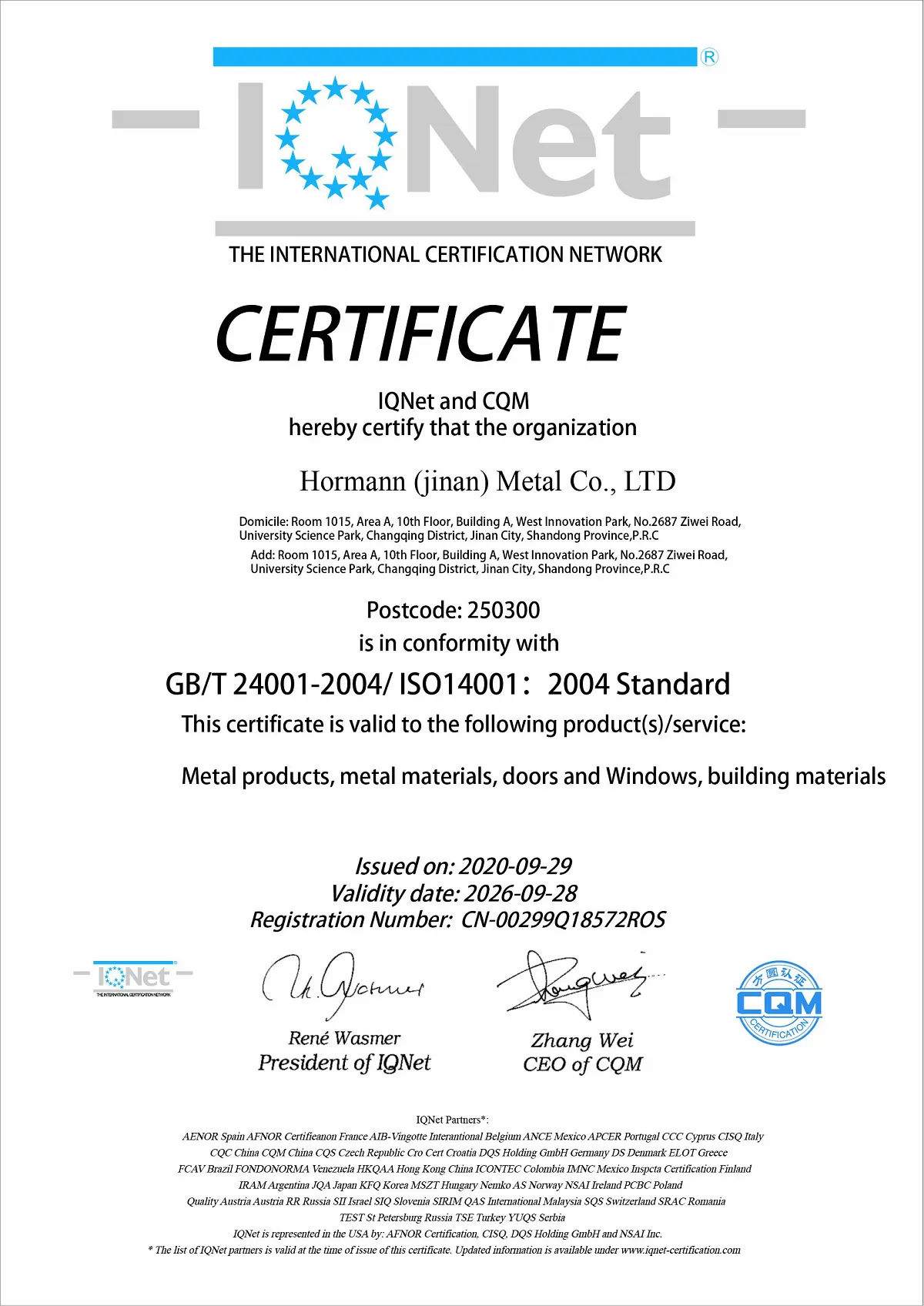
Our Certificates




FAQ
As one of the most professional copper alloy manufacturers and suppliers in China, we're featured by quality products and competitive price. Please rest assured to buy copper alloy for sale here and get free samples from our factory. Also, customized service is available.
Copper Alloy, C68700 Aluminum Brass Plate, Anti Moss Copper Roof Tape