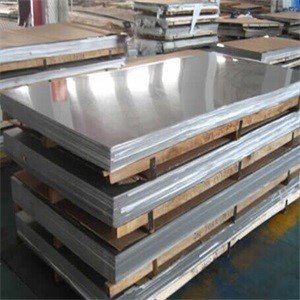
Seamless Steel Pipe

Sus316 304 Stainless Steel Rod Steel Round Rod


Your Professional Seamless Steel Pipe Supplier

Hormann (Jinan) Metal Co. Ltd. was a company specializing in the professional production of various specifications and models of steel, research and development, design, production, sales, and service. Our products include galvanized steel, seamless steel pipe, stainless steel, aluminum alloy, copper alloy, black iron sheet, stainless rebar, and prepainted steel coil.


Why Choose Us
 

Wide Range of Applications
Our products are used in the construction industry, automotive industry, shipbuilding industry, chemical industry, metallurgical industry, aerospace industry, etc.


Broad Market

Our products are sold to the global market, mainly in the Middle Eastern countries, North America, Australia, and other regions, and have won unanimous praise.


Professional Advanced Equipment
We have a series of equipment specializing in the production of steel, including steel plate pretreatment equipment, steel plate leveling equipment, cutting machines, cold processing equipment, assembly equipment, welding equipment, correction equipment, painting equipment, lifting equipment, transportation equipment.


Leading Service
Professional engineers can provide consultation on sprocket expertise and professional advice on product selection, design, installation, and maintenance.

First 12345 Last


Definition of Seamless Steel Pipe

Seamless steel pipes are perforated from whole round steel, and steel pipes without welds on the surface are called seamless steel pipes. General-purpose seamless steel pipes are rolled by ordinary carbon structural steel, low-alloy structural steel or alloy structural steel, with the largest output, and are mainly used as pipelines or structural parts for conveying fluids.
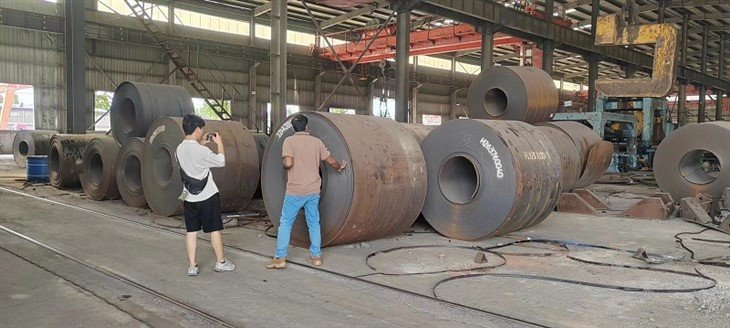
DC51D Hot Dip Galvanized Coil


DC51D Hot Dip Galvanized Coil

What are Advantages of Seamless Steel Pipe

Increased Strength and Durability
Out of all the benefits seamless pipes can provide, the increased strength and durability are considered one of the most significant. Due to the lack of joints and seams in the pipes, weak spots are eliminated along the length of the seamless pipe. The guarantee of safety and reliability is why several industries, including those with high-pressure applications, rely on seamless pipes.

Consistent Wall Thickness
Seamless pipes have a uniform wall thickness throughout their length, which results in even pressure distribution. This property is essential in high-pressure usages where product uniformity is essential.

Improved Corrosion Resistance
Seamless pipes are constructed with the help of premium-quality steel, delivering improved corrosion resistance. This quality is vital in numerous applications where exposure to harsh environments and chemicals is a concern.


Lower Risk of Leakage

As discussed, seamless pipes have increased strength and durability, reducing the risk of leakage compared to welded or forged pipes. No parts of the pipe can fall or break off due to an unforeseen weak spot. This quality makes seamless pipes a perfect choice for boilers and pipelines which carries fluids or gas.

Enhanced Flow Characteristics

Seamless pipes are created to have a smooth inner surface. The reason for this design is to ensure a reduction in friction that affects the walls of the pipe when transporting fluids or gases. Since seamless pipe addresses this issue, the result shows improved flow which means better efficiency and lower energy prices.

Easy Installation

Seamless pipes are incredibly easy to install in comparison to other tubes. This is because they can be bent, twisted and shaped into your preferred shape without requiring any additional fittings. This property decreases installation duration and costs, making it a cost-effective solution for several applications.

Wide Range of Applications

Seamless pipes are employed in various applications and usages, including pipelines, boilers, heat exchangers, and more. Their stability, durability, and enhanced flow features make them ideal for various industries, including oil and gas, chemical, and power generation.


What are Features of Seamless Steel Pipe
  • Seamless pipes can resist high pressure, temperature, stress & corrosive atmosphere.
  • They are thick and tolerant.
  • They are strong under high pressure and temperature. The seamless pipe is more robust because it is made out of a single piece of steel. These pipes can withstand high pressures, so they are used for high-pressure applications.
  • They have excellent corrosion resistance. The manufacturing process does not include any welding, and because of this, it is seamless.
  • They have a smooth surface finishing.
  • They are resistant to damage and cracking.
  • It is easier to bend compared to other pipes.
  • This pipe’s manufacture does not require much energy to perform. This makes it more cost-effective than other types of steel pipes.
  • It comes with close dimensional tolerance.
  • There are different methods used to make steel pipes. Some processes use solid round billets, while others use continuous casting methods.
  • The seamless pipe is made by a process that involves forging plus an extrusion process which means that a solid round billet is rolled or pressed to create a hollow shell which is then elongated to create a pipe.
Hot Dip Galvanized Strip Steel


The Difference Between Seamless Steel Pipe and Seam Steel Pipe
 
 
Different Materials

Welded steel pipe: Welded steel pipe refers to steel pipes with seams on the surface resulting from bending and deforming steel strips or steel plates into round or square shapes. The materials used for welded steel pipes are steel plates or steel steels.
Seamless steel pipe: A steel pipe made from a single piece of metal without seams on the surface.

 
Different Categories

Welded steel pipe: According to different welding methods, it can be divided into arc-welded pipe, high frequency or low frequency resistance welded pipe, gas welded pipe, furnace welded pipe, Bondi pipe, etc. According to the purpose, it is divided into general welded pipe, galvanized welded pipe, oxygen-blowing welded pipe, wire casing, metric welded pipe, roller pipe, deep well pump pipe, automobile pipe, transformer pipe, electric welded thin-walled pipe, electric welded special-shaped pipe, and spiral welded pipe.

Seamless steel pipes: Seamless pipes are divided into hot-rolled pipes, cold-rolled pipes, cold-drawn pipes, extruded pipes, and seamless pipes. According to the cross-sectional shape, seamless steel pipes are divided into two types: round and special-shaped. Special-shaped pipes have square, elliptical, triangular, hexagonal, melon-shaped, star-shaped, and finned pipes. The maximum diameter is 650mm, and the minimum diameter is 0.3mm. According to different purposes, there are thick-walled pipes and thin-walled pipes.

 
Different Uses

Welded steel pipes can be used as water and gas pipes, etc. Large-diameter longitudinally welded pipes are used for high-pressure oil and gas transportation, etc. Spiral-welded pipes are used for oil and gas transportation, as well as pipe piles, bridge piers, and more.
Seamless steel pipes are used as pipe for petroleum geological drilling, cracked pipes for the petrochemical industry, boiler pipes, bearing pipes, and high-precision structural steel pipes for automobiles, tractors, and aviation.

 
Different Purposes

Seamless steel pipes are mainly used as pipelines or structural parts for fluid transportation, mainly in the machinery industry, while seamed steel pipes are mainly used in the construction industry, such as water, gas, compressed air, and other low-pressure fluids. However, seamless steel pipes are used for all pressure pipelines. The price of seamless steel pipes is higher than that of seamed pipes.
Seamed pipes generally can withstand a maximum operating pressure of less than 20 kg, which is a safe range of use. It is generally used for low-pressure fluids such as water, gas, and compressed air.


Applications of Seamless Steel Pipe

Bearing Piles
When used as bearing piles, seamless steel pipe is an incredibly effective means of carrying as well as supporting loads from heavy structures. Seamless steel pipe can be filled with concrete to enhance its strength when used as bearing piles.

Underground Utilities
Jacked and bored seamless steel pipe is an excellent choice in aiding in the installation of underground utilities. When used in this manner, a section of steel pipe is typically driven with the use of hydraulic jacks in between excavations. Then, a subsequent section of pipe is spliced to attach to the first section, and the pipe is subjected to cleaning out to make space for safe and efficient utility installation. When used for underground utilities in this way, disruption to nearby areas, specifically roads and businesses, is minimized.

Combi Walls

Seamless steel pipe can be used to create combi walls, which are retaining wall structures. Seamless steel pipe is used as the king pile in combi wall construction in conjunction with steel sheet piles. The pipe supports most of the load while sheet pile assists in transferring the load to both the soil and the king pile. Combi wall design eliminates transfer of shear forces across the interlock of the system.

Structural Sections

When used for structural sections, seamless steel pipe is a great choice because it offers an equal amount of bending strength in all directions, which makes it resistant to buckling. Its resistance to buckling enables it to handle significantly heavier loads for exceptional lengths. The employment of seamless steel pipe as structural sections is particularly useful for big, open structures as well as cofferdams.


Pipe Casing
During the construction of drilled shafts, either permanent or temporary pipe casing is needed, which is where seamless steel pipe can come in handy. Seamless steel pipe is able to support the hole during construction while concrete and cage are applied.


Process of Seamless Steel Pipe
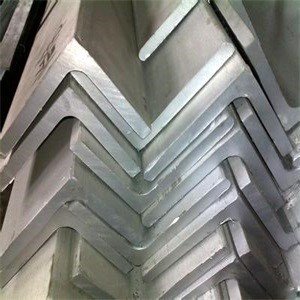
Stainless Steel Angle Lintel
UNS S32654 Stainless Steel Sheet
Stainless Steel Angle Lintel

Billet Preparation
The process starts with the preparation of a solid steel billet. The billet is a near-molten steel rod that serves as the starting material for the seamless pipe.

Heating
The billet is heated to a high temperature. This heating process helps to make the steel more malleable and easier to shape.

Piercing
The heated billet is then pierced with a mandrel. A mandrel is a cylindrical tool that is inserted into the billet. The mandrel helps to create a hollow cavity within the billet, which will eventually become the inside diameter of the seamless pipe.

Extrusion
Once the billet is pierced, it is subjected to extreme pressure and is pushed through a die. The die is a specially designed opening that shapes the billet into a seamless pipe. As the billet is pushed through the die, it undergoes plastic deformation and takes on the shape of the die, forming a seamless pipe.

Sizing And Finishing
After extrusion, the seamless pipe goes through a sizing process to achieve the desired dimensions and tolerances. It may also undergo additional finishing processes such as straightening, cutting, and heat treatment, depending on the specific requirements of the application.


How Do You Maintain Seamless Steel Pipe
 

Avoid Metal to Metal Contact
It is important to note that when you are first laying out your steel pipes, you need a strategic plan to place them in a manner where contact with other metals is minimal. Constant contact of tubes with other metals can lead to frictional damages such as scratches and dents. In addition, metal-to-metal contact may also cause corrosion. Placing your seamless pipes at a reasonable distance from each other can help prevent this.


Reduce Seamless Pipe and Steel Movement
Loosely-arranged or dangling pipes are another reason for early damage to the steel pipes. This makes them vulnerable to friction, jolt or displacement damage, especially during transportation.


Carry Out Regular Inspection
Regular inspection is an excellent way to prevent pipe damages from getting graver or irreparable. It is a common mistake of owners to skip this step and land in situations when corrosion, leaks, and breakage start to happen regularly. Faulty pipelines can lead to accidents and costly replacement of pipes, which can be prevented earlier.
To avoid such scenarios, we recommend conducting regular inspections of steel pipes. The best way to deal with leakage, corrosion, or other damages is to consult your supplier. You can also look for holes and cracks in the pipes to inform them.


Clean and Polish Steel Pipes Regularly
With watchful cleaning and polishing of seamless steel pipes, you can easily prevent the accumulation of dirt and grime in your pipes. Upon consultation with your pipe provider, you can also use specified chemicals to clean the insides of the tubes. After cleaning, do not forget to lubricate the pipes after.


Identify and Make Repairs
Even though most pipe repairs require professional help, you can easily tackle certain maintenance. If you identify minor damages early, there are some handy repairs like sealing leaks, holes and cracks with putty or specialised plumber bandages, which you can do yourself. These are surely temporary repairs but can save your pipes from long-term damage. Later, you can seek professional help to mend the pipes permanently.


Choose High-quality Seamless Steel Pipes
To get the deserving value for your money, we advise you to choose supreme quality pipes only for the best results. Consult a supplier who is an expert in the industry and can help you determine which kind of seamless steel pipe is best for your use. Know that there are certain types of tubes meant for specific applications. Therefore, it is best to consult a professional for an error-free installation.
To improve the integrity of your steel pipes, we recommend applying protective steel coatings, especially if the metal will be exposed to water or will be in contact with other metals. One highly preferable option is galvanic protection. In this process, the seamless steel pipes are fabricated with a zinc layer to minimize the likelihood of corrosion.


Our Certificate


Our professional quality inspectors will conduct a quality inspection on each batch of products. Furthermore, authoritative test reports are also available.

productcate-1200-1725


Our Service

Customers can choose any length or other requirements, order or purchase various steel products or request special specifications.
Adjusting for the temporary lack of specifications in this library, saving you the trouble of rushing to buy.
Our transport service, which can be delivered directly to your designated place.
For the sold materials, we are responsible for the overall quality tracking, in order for you to eliminate worries.
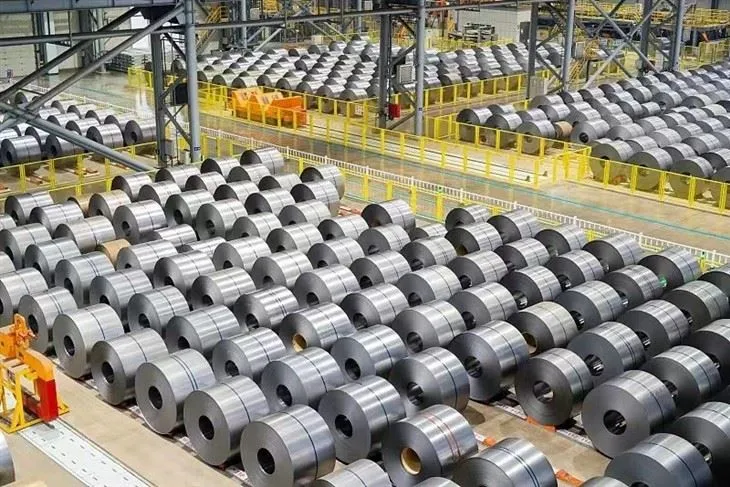
DX51D+Z Galvanized Steel Coil


productcate-705-654


Our Factory

One-stop service helps you choose products suitable for your market and budget, save time, and achieve win-win cooperation.


Contact Us
Email
nancy@cn-hormann.com
Address
No. 2687 Ziwei Road, University Science Park, Changqing District, Jinan City, Shandong Province Room 1015, Area A, 10th Floor, Building A, West Innovation Park, Jinan
Phone
+8618769555682
+8613153828686


Frequently Asked Questions
 

Q: What are the uses of seamless steel pipe?

A: Special-purpose seamless pipes include seamless pipes for boilers, chemical and electric power, seamless steel pipes for geology, and seamless pipes for petroleum.
Seamless steel pipes have a hollow section and are used in large quantities as pipelines for transporting fluids, such as pipelines for transporting oil, natural gas, gas, water and certain solid materials. Compared with solid steel such as round steel, steel pipe is lighter in flexural and torsional strength and is an economical section steel. Widely used in the manufacture of structural parts and mechanical parts, such as oil drill pipes, automobile transmission shafts, bicycle frames, and steel scaffolding used in construction. Steel pipes are used to make ring parts, which can improve material utilization, simplify manufacturing procedures, and save materials and processing. Working hours.

Q: What are the two processes for seamless steel pipe?

A: There are two main production processes for seamless steel pipes (cold rolling and hot rolling): Main production process of hot-rolled seamless steel pipe (△main inspection process):
Tube billet preparation and inspection△→tube billet heating→perforation→tube rolling→pipe reheating→fixed (reduced) diameter→heat treatment△→finished tube straightening→finishing→inspection△(non-destructive, physical and chemical, bench inspection)→in storage
Main production process of cold-rolled seamless steel pipe:
Blank preparation → pickling and lubrication → cold rolling (drawing) → heat treatment → straightening → finishing → inspection → storage.

Q: What is seamless steel pipe?

A: Seamless steel pipe is perforated from a whole round steel, and there is no weld on the surface of the steel pipe, so it is called seamless steel pipe.
1. According to the production method, seamless steel tubes can be divided into hot-rolled seamless steel tubes, cold-rolled seamless steel tubes, cold-drawn seamless steel tubes, and extruded seamless steel tubes.
2. According to the cross-sectional shape, seamless steel pipes are divided into two types: round and special-shaped. Special-shaped pipes have square, oval, triangular, hexagonal, melon seed, star, and finned pipes. The maximum diameter is 900mm and the minimum diameter is 4mm.
3. According to different purposes, there are thick-walled seamless steel pipes and thin-walled seamless steel pipes.
Seamless steel pipes have a hollow section and are used in large quantities as pipelines for conveying fluids, such as pipelines for conveying oil, natural gas, gas, water and certain solid materials. Compared with solid steel such as round steel, steel pipe has a lighter weight when the bending and torsion strength is the same, and it is a kind of economical cross-section steel. It is widely used in the manufacture of structural parts and mechanical parts, such as oil drill pipes, automobile transmission shafts, bicycle frames, and steel scaffolding used in construction.
The use of steel pipes to manufacture ring-shaped parts can increase the utilization rate of materials, simplify the manufacturing process, save materials and processing man-hours, such as rolling bearing rings, jack sleeves, etc., which have been widely used for manufacturing steel pipes. Steel pipes are also an indispensable material for various conventional weapons. Gun barrels and barrels are all made of steel pipes. Steel pipes can be divided into round pipes and special-shaped pipes according to different cross-sectional area shapes. Since the circle area is the largest under the condition of the same circumference, more fluid can be transported with a circular tube. In addition, when the ring section is subjected to internal or external radial pressure, the force is relatively uniform. Therefore, most steel pipes are round pipes.
However, round pipes also have certain limitations. For example, under the condition of plane bending, round pipes are not as strong as square and rectangular pipes. Some agricultural machinery frameworks, steel and wood furniture, etc. often use square and rectangular pipes. According to different purposes, special-shaped steel pipes with other cross-sectional shapes are required.
According to the different shape and size of the steel pipe section, it can be divided into equal wall thickness special-shaped seamless steel pipe (code D), unequal wall thickness special-shaped seamless steel pipe (code BD), and variable diameter special-shaped seamless steel pipe (code BJ). Special-shaped seamless steel pipes are widely used in various structural parts, tools and mechanical parts. Compared with round pipes, special-shaped pipes generally have larger moments of inertia and section modulus, and have greater bending and torsion resistance, which can greatly reduce structural weight and save steel.

Q: What are the advantages of seamless steel pipe according to application?

A: Water: Since steel pipe is both resistant to corrosion and rust, it’s the obvious frontrunner for water distribution in municipalities. It lasts for decades due to its strength and durability protecting it against underground pressure, vibration, and shock.
Construction: Most commercial construction and contractors favor steel pipe for foundation construction and framing. But additionally, they use it for handrails, scaffolding, fence posts, exhaust pipes, and more.
Utilities: Steel pipe is used as a protective encasement for underground utility lines. Utilities such as gas, electricity, fiber-optic internet, and more.
Sewage: Sewage is mostly comprised of wastewater plus some sludge and solids. Steel pipe is ideal because of its corrosion resistance, specifically galvanized corrugated steel. The contoured ripples in corrugated steel pipe enhance its ability to endure extreme pressure levels common in sewage systems.

Q: What is the difference between welded pipe and seamless pipe?

A: The manufacturing process of a welded pipe begins at coils, which are cut by desired lengths and formed into steel plates and steel strips.
The steel plates and steels strips are rolled by a rolling machine, and then form into a circular shape. In the ERW process (Electric Resistance Welded), high-frequency electrical current is passed between the edges, causing them to fuse together. Once the welded pipe is manufactured, it will be straightened.
Normally the finished surface of the welded pipe is better than that of seamless pipe, because the manufacturing process of the seamless pipe is extrusion.
A seamless steel pipe is also called as a seamless tube. The seamless steel pipe can be made of carbon steel or stainless steel. Take a carbon steel for example, the seamless steel pipe is extruded and drawn from a solid cylindrical of steel, which is known as a billet. While heating, a billet is pierced through the center, turning the solid bar into a round pipe.
A seamless steel pipe is considered having better mechanical properties than a welded pipe. For example, a seamless steel pipe is able to withstand higher pressure, so it is common used in the industry of hydraulic, engineering and construction. Also, a seamless steel pipe DOES NOT have a seam, so it has a stronger resistance to corrosion, which extends the life of seamless steel pipe longer.

Q: What grade is seamless pipe?

A: Seamless pipes come in various grades, each designed for specific applications and environments. The choice of grade depends on factors like the intended use, temperature, pressure, and the type of conveyed fluid. Some common grades of seamless pipes include:
Carbon Steel Grades: Carbon steel seamless pipes are widely used for general applications. Common grades include:
ASTM A106: Standard specification for seamless carbon steel pipe for high-temperature service.
ASTM A53: Standard specification for seamless and welded black and hot-dipped galvanized steel pipe.
API 5L: Specification for line pipe used in oil and natural gas industries.
Alloy Steel Grades: Alloy steel seamless pipes offer enhanced strength, corrosion resistance, and high-temperature performance. Examples include:
ASTM A335: Standard specification for seamless ferritic alloy-steel pipe for high-temperature service.
ASTM A213: Standard specification for seamless ferritic and austenitic alloy-steel boiler, superheater, and heat-exchanger tubes.
Stainless Steel Grades: Stainless steel seamless pipes are known for their corrosion resistance. Common grades include:
ASTM A312: Standard specification for seamless, welded, and heavily cold worked austenitic stainless steel pipes.
ASTM A269: Standard specification for seamless and welded austenitic stainless steel tubing for general service.
Duplex and Super Duplex Grades: These are highly corrosion-resistant and offer superior strength. Examples include.
ASTM A790: Standard specification for seamless and welded ferritic/austenitic stainless steel pipe.
Nickel Alloys: Seamless pipes made from nickel alloys are used in highly corrosive environments and high-temperature applications. Grades like Alloy 625, Alloy 825, and others are common.
Titanium Alloys: Seamless pipes made from titanium alloys offer exceptional corrosion resistance and are used in aerospace, chemical, and marine applications.
Copper Alloys: Seamless pipes made from copper alloys, such as C71500 and C70600, are used in marine and industrial applications due to their corrosion resistance and heat transfer properties.
High-Strength Low-Alloy (HSLA) Steel: These seamless pipes contain small alloying elements to enhance strength and toughness while maintaining good weldability. They find use in various structural and mechanical applications.

Q: What are the maintenance methods for seamless steel pipe?

A: Seamless steel pipes have hollow sections and are widely used as pipes for conveying fluids, such as pipes for conveying oil, natural gas, gas, water and certain solid materials. The seamless pipe has a certain corrosion resistance, but in order to prolong the service life of the seamless pipe in some extreme environments, it is necessary to remove the oxide layer on the surface of the product. The main cleaning method is pickling. After cleaning, electrolytic cleaning is required again.
The seamless steel pipe must wear labor protection supplies before pickling. The on-site working environment should also be checked in detail, mainly to check whether the hoisting of the steel pipe is intact, and work can only be carried out after confirming that it is intact.
When pickling seamless steel pipes, the pickling method is mainly hydrochloric acid pickling. Usually, the content of hydrochloric acid is preferably 18% to 20%.
The staff also need to know the concentration and temperature of the acid solution in this tank and the tonnage of the pickling pipe before operation.
The weight of pickling steel pipe is controlled between 2-5 tons each time, and the time is controlled within 5-15 minutes. Time needs to be adjusted according to body weight. During the pickling process of steel pipes, frequent vibrations are also required. When lowering the pipe into the acid tank, the steel pipe should be tilted to prevent accidental injury by hydrochloric acid.
The seamless pipes stored in the warehouse waiting to be put into use need to do the following work
The warehouse shall not be piled together with acid, alkali, salt, cement and other materials that are corrosive to steel. Steel materials of different types should be stacked separately to prevent mixing and contact corrosion.
Large steel sections, rails, steel plates, large-diameter steel pipes, forgings, etc. can be stacked as needed.
Some small steel products, thin steel plates, steel strips, silicon steel sheets, small-diameter or thin-walled steel pipes, various cold-rolled and cold-drawn steel products, high-priced and easily-corroded metal products can be stored in the warehouse.
The warehouse should be selected according to the geographical conditions. Ordinary closed warehouses are generally used, that is, warehouses with ceilings, walls, tight doors and windows, and ventilation devices.

Q: What are the factors that affect the quality of seamless steel pipe?

A: Temperature
Temperature is the most important factor affecting the quality of seamless steel pipes. First of all, the uniformity of the heating temperature of the tube blank directly affects the wall thickness uniformity and inner surface quality of the perforated capillary, which in turn affects the wall thickness quality of the product. Secondly, the temperature and uniformity of the steel pipe during the rolling process (especially the final rolling temperature) are related to the mechanical properties, dimensional accuracy and surface quality of the delivered product in the hot-rolled state, especially when the steel billet or lamp tube is overheated or even When overburned, it will cause waste. Therefore, in the production process of hot-rolled seamless pipes, heating and controlling the deformation temperature in strict accordance with the process requirements are the first work that must be done.
Process adjustment
Process adjustment and work quality mainly affect the geometric shape and appearance quality of steel pipes.
For example, the adjustment of the piercing machine and the rolling mill affects the wall thickness accuracy of the product, and the adjustment of the sizing machine is related to the accuracy and straightness of the product's outer diameter. Moreover, process adjustment also affects whether the rolling process can be carried out normally.
Tool quality
The quality and stability of the cutting tool are directly related to the dimensional accuracy, surface quality and cutting tool consumption of the product can be effectively controlled; the quality of the mandrel surface treatment (chrome plating) first affects the inner surface of the seamless steel pipe, and secondly affects Mandrel consumption and production costs.
Process cooling and lubrication
The cooling quality of the piercing head and rolls not only affects their life, but also affects the quality control of the inner and outer surfaces of the finished product. The cooling and lubrication quality of the mandrel first affects the inner surface quality, wall thickness accuracy and mandrel consumption of the seamless steel pipe; it also affects the load during rolling.
The removal and control of sundries on the surface of rolled parts refers to the timely and effective removal of iron sheets on the inner and outer surfaces of capillaries and waste pipes, and the control of reoxidation before rolling deformation. Nitrogen blowing in the inner hole of the capillary, borax spraying, pipe rolling and high-pressure water descaling at the entrance of fixed (reduced) diameter, effectively improving and enhancing the quality of the internal and external surfaces.

Q: What are the main manufacturing processes of seamless steel pipe?

A: Plug rolling production
The production equipment consists of punching machine, automatic pipe rolling machine, coiling machine, sizing machine and reducing machine. The round tube is inserted into the hollow of the thick-walled tube, and the axes of the two rollers form an oblique angle with the rolling line. In recent years, the inclination angle has increased from 6° to 12° to 13° to 17°, increasing the speed of the punch. When producing structural seamless pipe with a diameter greater than 250mm, secondary perforation is used to reduce the thickness of the hollow billet wall. New technologies have also been developed to enhance the perforation process and improve the quality of the capillary.
Continuous rolling production
The production equipment includes punching machine, continuous rolling mill, and tension reduction machine. The round billet is pierced into a hollow billet, then inserted into the mandrel, and continuously rolled by 7 to 9 two-roll mills. After rolling, the mandrel bar is taken out and reheated to reduce tension. In 2014, the annual output of 140mm continuous rolling mills is 0.4 to 600,000 tons, which is 2 to 4 times that of plug mills. The characteristics of this unit are suitable for the production of steel pipes with a diameter of 168mm or less. However, the equipment investment is large, the installed capacity is large, and the processing and manufacturing are complex.
Three-roll rolling production
Three-roll rolling production is mainly used to produce thick-walled seamless steel pipes with high dimensional accuracy. The wall thickness accuracy of the seamless steel pipe produced by this manufacturing process can reach plus or minus 5%, and the pipe accuracy is twice that of the seamless steel pipe produced by other methods. This manufacturing technique developed rapidly with the invention of the new three-high skew rolling mill in the 1960s. The new type of rolling mill is characterized by rapidly rotating the inlet rotary rack to change the expansion angle of the tail, thereby preventing the triangle from appearing at the tail, and expanding the ratio of the outer diameter to the wall thickness of the production varieties from 12 to 35, which can not only produce thin-walled seamless welded steel pipes , but also can improve production capacity.
Extrusion tube production
The peeled round base is first perforated or expanded, then heated by induction heating or a salt bath, coated with lubricant, and loaded into the extruder. The metal is squeezed into the pipe through the circular gap between the mandrel and the tip of the pen. This manufacturing process is mainly used for the production of superalloy tubes, specialty tubes, composite tubes and non-ferrous metal tubes. It has a wide range of production but low volumes. The production of extruded tubes has also grown in recent years due to improvements in die materials, lubricants and extrusion speeds.
Cold rolling (cold drawing) production
This manufacturing process is used to produce small-diameter precision-shaped thin-walled low-carbon steel pipes. It is characterized by the use of multi-stage cycle manufacturing technology. In the 1960s, it began to develop in the direction of high speed, multi-line, long stroke and long tube blank. In addition, small roller mills have also been developed, mainly for the production of precision tubes with a thickness of less than 1mm. The cold rolling equipment is complex, the tool processing is difficult, and the specification conversion is not flexible. And usually a combined process of cold rolling and cold drawing is used, that is, cold rolling is used to reduce the wall thickness to obtain larger deformation, and cold drawing technology is used to obtain various specifications.

Q: What are the advantages of seamless steel pipe?

A: One of the greatest advantages of having seamless steel pipes is its ability to resist pressure. Since they are not welded, it has no seam, making it stronger. Apart from that, determining the pressure calculation is pretty easy as there is no weld quality to consider.
One of the greatest advantages of having seamless steel pipes is its ability to resist pressure. Since they are not welded, it has no seam, making it stronger. Apart from that, determining the pressure calculation is pretty easy as there is no weld quality to consider.

Q: How Are Seamless Tubes Made?

A: Hydraulic seamless tubes are typically made of several alloys and solid round steel bars of metals such as stainless steel, carbon steel, tungsten, etc. These metal pieces are converted into hollow tubes by heating and rolling over to the required forms.
Mostly, the Drawn on Mandrel Method, also known as the Cold Drawn Process, is used to make the seamless tubes. This process, basically, ensures dimensional tolerance of the tube as well as a smooth finish for both interior and exterior sections.
In this process, the steel bar is heated at a very high temperature with the help of a furnace. Then, a cylindrical void is formed. The thickness of the tube depends on the requirement. Further, various roll straightening machines operate on these structures which take care of the straightness in the tubes. Multiple quality checks are done before the tubes move out of the manufacturing units.
The size of a seamless tube can vary from 1/8 inch to 25 inch OD. The thickness can also be customized based on the client’s specifications. It is interesting to know that the working pressure of a seamless tube is 20% more than a welded tube. However, depending on the usage, either can be selected.
Seamless tubes are mostly considered in areas where highest safety measures are required. They have a homogenous structure and provide high corrosion resistance. Seamless tubes are meant for high performance and quality processes. Therefore, they are more expensive than welded tubes.

Q: What are the characteristics of seamless steel pipe?

A: Smooth interior and exterior surfaces.
  • No seams or welds.
  • Thick scale-free surface.
  • High-pressure resistance.
  • Superior performance.
  • High corrosion resistance.
  • Elevated durability.
  • Robustness.
  • High tensile strength.
  • High-reliability factor.

Q: How to store seamless steel pipe?

A: To store seamless pipes, choose a suitable site and warehouse
  • The site or warehouse for steel storage should be selected in a clean and well-drained place, away from factories and mines that produce harmful gases or dust. Weeds and all debris should be removed on the site to keep the steel clean
  • Do not stack together with acid, alkali, salt, cement and other materials that are corrosive to steel in the warehouse. Different types of steel should be stacked separately to prevent confusion and prevent contact corrosion
  • Large-scale steel, rails, steel plates, large-diameter steel pipes, forgings, etc. can be stacked in the open air
  • Small and medium-sized steel bars, wire rods, steel bars, medium-caliber steel pipes, steel wires, and wire ropes can be stored in a well-ventilated material shed, but must be covered with thatch
  • Some small steel products, thin steel plates, steel strips, silicon steel sheets, small-diameter or thin-walled steel pipes, various cold-rolled and cold-drawn steel products, and high-priced and corrosive metal products can be stored in the warehouse
  • The warehouse should be selected according to the geographical conditions. Generally, an ordinary closed warehouse is used, that is, a warehouse with a roof, a wall, tight doors and windows, and a ventilation device.
  • The warehouse requires ventilation in sunny days, closed and moisture-proof in rainy days, and always maintains a suitable storage environment
  • The stacking requirements for seamless pipes are: reasonable stacking, advanced first
  • The principle of stacking is to stack according to the variety and specification under the condition of stable stacking and ensuring safety. Different types of materials should be stacked separately to prevent confusion and mutual corrosion
  • It is forbidden to store items that are corrosive to steel near the stack
  • The bottom of the pile should be high, firm and flat to prevent the material from being damp or deformed
  • The same kind of materials are stacked separately according to the order of storage, which is convenient for the implementation of the principle of first delivery
  • For the steel pipes stacked in the open air, there must be wooden pads or stone strips underneath, and the stacking surface is slightly inclined to facilitate drainage, and attention should be paid to placing the materials straight to prevent bending deformation
  • Stacking height, manual operation shall not exceed 1.2m, mechanical operation shall not exceed 1.5m, stack width shall not exceed 2.5m
  • There should be a certain channel between the stacks, the inspection channel is generally 0.5m, and the access channel depends on the size of the material and the transport machinery, generally 1.5-2.0m
  • The bottom of the stack is raised. If the warehouse is on a sunny concrete floor, it can be raised by 0.1m; if it is a mud floor, it must be raised by 0.2-0.5m. If it is an open field, the cement floor shall be raised 0.3-0.5m, and the sand and mud surface shall be raised 0.5-0.7m.

As one of the most professional seamless steel pipe manufacturers and suppliers in China, we're featured by quality products and competitive price. Please rest assured to buy seamless steel pipe for sale here and get free samples from our factory. Also, customized service is available.

ASTM Galvanized Steel Coil