


Thickness: 0.6-15mm
Length: 3m, 6m, 12m
Tolerance:±1%
Outside diameter:10*10 mm - 600*600 mm
Galvanized Square Pipe

Your Professional Galvanized Square Pipe Supplier
Hormann (Jinan) Metal Co., Ltd. was a company specializing in the professional production of various specifications and models of steel, research and development, design, production, sales, and service. Our products include galvanized steel, seamless steel pipe, stainless steel, aluminum alloy, copper alloy, black iron sheet, stainless rebar, and prepainted steel coil.
Why Choose Us
Wide Range of Applications
Our products are used in the construction industry, automotive industry, shipbuilding industry, chemical industry, metallurgical industry, aerospace industry, etc.
Broad Market
Our products are sold to the global market, mainly in the Middle Eastern countries, North America, Australia, and other regions, and have won unanimous praise.
Professional Advanced Equipment
We have a series of equipment specializing in the production of steel, including steel plate pretreatment equipment, steel plate leveling equipment, cutting machines, cold processing equipment, assembly equipment, welding equipment, correction equipment, painting equipment, lifting equipment, transportation equipment.
Leading Service
Professional engineers can provide consultation on sprocket expertise and professional advice on product selection, design, installation, and maintenance.
-
![Galvanized Rectangular Pipe 20*20]()
-
![A36 40*40 Galvanized Square Hollow Steel Pipe]() A36 40*40 Galvanized Square Hollow Steel PipeSize:10x10mm~100x100mmread more
A36 40*40 Galvanized Square Hollow Steel PipeSize:10x10mm~100x100mmread more
Thickness:0.3mm~4.5mm
Length:1~12m as requested
Zinc Coating:5 micron~30 micron
Grade:Q195,Q235,A500 Gr.A,Gr.B -
![GI Hot Dip Galvanized Hollow Section]() GI Hot Dip Galvanized Hollow SectionLength: 6m, 12mread more
GI Hot Dip Galvanized Hollow SectionLength: 6m, 12mread more
Thickness: 2.8-20mm
Surface: Galvanized 200-700 g/m2
Shape: Square -
![304 Stainless Steel Square Tubes]() 304 Stainless Steel Square TubesThickness: 2.0-4.5mmread more
304 Stainless Steel Square TubesThickness: 2.0-4.5mmread more
Length:6m 9m 12m
Size: 10MM* 10mm-600mm *600MM 220MM* 10mm-600mm *400MM
Material: Q195 Q235 Q345 -
![20*20 mm Pre-galvanized Square Pipe]() 20*20 mm Pre-galvanized Square PipeLength: 6-12 mread more
20*20 mm Pre-galvanized Square PipeLength: 6-12 mread more
Size:15*15 mm 20*20 mm 25*25 mm
Thickness:0.6-25mm -
![S235 Rectangular Galvanized Square Pipe]() S235 Rectangular Galvanized Square PipeThickness: 0.35-1.5 mm, 1.0-35 mmread more
S235 Rectangular Galvanized Square PipeThickness: 0.35-1.5 mm, 1.0-35 mmread more
Length: 3m, 6m, 9m, 12m
Tolerance: ±5%, ±1%, ±10% -
![SS330 Galvanized Square Tube]() SS330 Galvanized Square TubeDiameter: 10x10-600x600 mmread more
SS330 Galvanized Square TubeDiameter: 10x10-600x600 mmread more
Wall thickness: 0.4mm-20mm or required
Length: 12m, 6m, 9m
Grade: Q195/Q235/Q345
Galvanized: 20g - 275g/m2 -
![Q235/Q235B Galvanized Square Pipe]() Q235/Q235B Galvanized Square PipeLength: 6m 9m 12mread more
Q235/Q235B Galvanized Square PipeLength: 6m 9m 12mread more
Thickness: 0.8-30 mm
Wall hollowing: 1 mm -15 mm
Zinc pre-galvanizing: 30~150g/m2 -
![Rectangular Galvanized ERW Square Pipe]() Rectangular Galvanized ERW Square PipeLength: 6m, 9m, 12mread more
Rectangular Galvanized ERW Square PipeLength: 6m, 9m, 12mread more
Thickness: 0.6-20mm, customizable
Galvanized: 20g - 275g/m2
Standards: GB, ASTM, AISI, DIN, JIS, EN, bs -
![Galvanized Square Pipe With Hollow Section]() Galvanized Square Pipe With Hollow Sectionsize:10*10mm 50*50mm customizableread more
Galvanized Square Pipe With Hollow Sectionsize:10*10mm 50*50mm customizableread more
Length: 6/9/12m customizable
Material: Q195, Q215, Q235, Q345
Steel grade:DX51D,DX52D,DC01,DC02,SGHC -
![50*50 Galvanized Square Pipe]() 50*50 Galvanized Square PipeSize: 10mm x 10mm-500mm x 500mmread more
50*50 Galvanized Square PipeSize: 10mm x 10mm-500mm x 500mmread more
Thickness: 0.6mm-25mm
Length: 1m-12m
Zinc Coating Thickness: 40g/m2-600g/m2
Material: Q195, Q215, Q235, Q345 -
![Square Hollow Section Steel Tube]() Square Hollow Section Steel TubeSize:40*40mm 50*50mm 120*120mmread more
Square Hollow Section Steel TubeSize:40*40mm 50*50mm 120*120mmread more
Thickness: 0.5-5.75mm
Outer diameter: 20-508mm
Wall thickness: 1-12mm
Section shape: square


Definition of Galvanized Square Pipe
The galvanized square pipe is a hollow square section steel pipe with a square section shape and size made of hot-rolled or cold-rolled galvanized steel strip or galvanized coil as a blank, cold-bent, and formed by high-frequency welding, Or a galvanized rectangular tube made of cold-formed hollow steel pipe prepared in advance and then processed by hot-dip galvanizing.
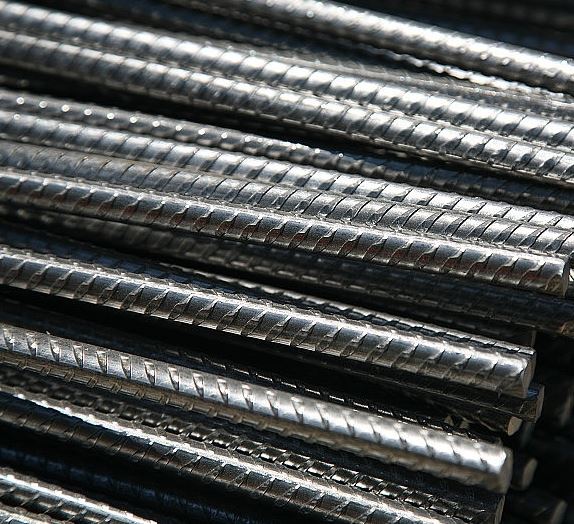
What are Advantages of Galvanized Square Pipe


Durable Coating
Galvanization provides a strong layer for steel pipes. Galvanizing not only prevents rust but also greatly increases the life span of the steel pipe. If a steel pipe is known to last up to 50 years, galvanizing can extend its life by another 50 to 80 years. In many cases, the corrosion resistance of some steel tube products is often not up to the required level. This requires frequent maintenance work to be carried out on it in subsequent stages. Some people choose to paint or apply a dry coating to the surface of the pipe to protect the material. But galvanized rectangular tubes will save you this step. Its galvanized coating is very durable and does not require much maintenance. So you don’t need to spend too much effort on it.
Cost-effective
Galvanizing has been the preferred method over other types of coatings because of its relatively simple process, easy availability of raw materials, and reasonable price. While aluminum may be a cheaper option for corrosion-resistant materials, it can have drawbacks in terms of strength properties. Meanwhile, stainless steel round tubing can be expensive and uneconomical for small applications. This makes galvanized pipe the most cost-effective solution. If your project is relatively small and your budget is low. Then galvanized steel pipe is your best choice.
Wide Range of Uses
Galvanized steel pipe is often used in a variety of industries because of its excellent corrosion protection. It has been used for more than 30 years as a material for water supply piping in homes and businesses. It is also a suitable material for sewer pipes. In addition to water and sewer piping, galvanized pipe has many other uses, including fences, railings, scaffolding, and farm irrigation systems. Although it has many uses, it cannot be used for gas piping. This is because when the zinc begins to flake off, it can clog the pipe. Flaking zinc can also cause galvanized steel pipes to burst. You can determine if galvanized pipe is suitable for your project based on the environment you are using it in.
Easy to Install
Did you know that in addition to having a strong protective surface, galvanized steel pipe is easy to install? Galvanized steel pipe is readily available and you do not have to purchase another coating to apply to the surface of the pipe. This will greatly reduce the construction time and ensure that you can complete the project at a much faster pace. There are many manufacturers of galvanized pipes on the market today. You can buy from the manufacturers and sometimes they offer installation services that will save you even more.
What are Features of Galvanized Square Pipe
- The zinc coating is thick, with detailed, uniform and non-porous crystals, and it has excellent corrosion resistance.
- The zinc layer obtained by electroplating is relatively pure, and it corrodes slowly in the mist of acid, alkali, etc., effectively maintaining the steel substrate.
- The zinc coating is passivated by chromic acid to form white, colorful, military green, etc., which are beautiful and generous, with certain decorative properties.
- The thick and dense pure zinc layer covers the surface of the steel, preventing the steel substrate from touching any corrosive solution and protecting it from corrosion.
- If zinc oxide and other components in the atmosphere form insoluble zinc salts, the anti-corrosion effect becomes more promising.
- With iron-zinc alloy layer, combined with compactness, it exhibits unique corrosion resistance in marine salt spray atmosphere and industrial atmosphere.
- Because of the strong combination, zinc and iron are mutually soluble and have strong wear resistance.
- After the steel structural parts are hot-dip galvanized, they undergo annealing treatment, which effectively improves the mechanical function of the steel matrix and eliminates stress during forming and welding.
- Hot-dipped parts can be formed by cold punching, rolling, wire drawing, and bending without damaging the coating, due to the excellent ductility of zinc and its firm attachment to the steel base.
- The surface of the parts after hot-dip galvanizing is bright and beautiful.
- The pure zinc layer in hot-dip galvanizing is endowed with plasticity, similar to pure zinc, and has ductility, making it flexible.
Common Types of Galvanized Square Pipe

01.
Hot Dip Galvanized Square Tube
The hot-dip galvanized square tube is made of steel plate or steel strip by crimping and welding, and then the square tube is placed in a hot-dip galvanized pool after a series of chemical reactions, resulting in a steel square tube.
The production process of the hot-dip galvanized square tube is relatively simple and efficient, and there are many varieties and specifications available. This makes it suitable for small galvanized square tube manufacturers who require minimal equipment and capital. However, it should be noted that the strength of this steel pipe is lower than that of seamless square pipes.
02.
Cold Galvanized Square Tubing
The cold-galvanized square tubing utilizes the cold-galvanizing process on the square tube to provide anti-corrosion performance. Unlike hot-dip galvanizing, cold-dip galvanizing coatings primarily rely on electrochemical principles for corrosion protection. Therefore, ensuring sufficient contact between zinc powder and steel is essential, making surface treatment of the steel an important factor.

Applications of Galvanized Square Pipe
Interior Design
Once upon a time, galvanised tube and clamps were only seen on construction sites, or in places where utility mattered more than good looks. Over recent years, however, they’ve started to make their way into interior design. The current trend for stripped back and industrial looks has made tube and clamps a great choice. They can be used to mount lamps, create tables, picnic benches or even a kitchen island. They might even provide the framework for steel and wood stairs and in recent months we have expanded our tube clamp kits range to include things such as beds, bunk beds, stools and a whole lot more.
Curtain rails are a simple and increasingly popular application. As too is shelving, whether in the kitchen or for bookcases or out in the shed or garage as robust, long lasting racking.
Garden Products
They can be used to create bespoke garden furniture, whether that’s benches, seating, garden tables or even the framework for a barbecue or pizza oven. To keep the kids entertained, they make excellent goalposts, climbing frames and the core structure of a treehouse. Hard-wearing, practically weatherproof and ever adaptable, whatever you’re planning in your garden, galvanised tube and clamps can help.
As well as the more decorative uses it’s also good to remember that our tube and clamp products can be used to create long lasting safety railings and barrier systems. Ideal for helping people up and down stairs or for added safety around home and work.
Home Gyms
Increasing numbers of people swapped expensive gym memberships for gym equipment in our home, garden room, garage or even in our back gardens. Galvanised tube and clamps can be used to create bespoke gym equipment with a contemporary, industrial look. Workout benches and pull-up bars are relatively easy to make, but they can lend themselves to all sorts of gym and fitness applications and sporting equipment such as golf cages or football goals.
Shop Fittings
One trend we’ve noticed over the last few years has been that Galvanized Square tube and clamps are being used to create stylish, contemporary shop fittings. They make great clothes racks and shelving, and can easily be adapted to take account of changing demands. As well as on the high-street, tube and clamps have been used to create some amazing interiors for ultra-cool bars, restaurants and cafes as well as in the hair and beauty industry to name but a few.
We’ve had customers who have bought Galvanized Square tubes and clamps online from us to build everything from simple hanging rails for clothes, workbenches and shelving, to highly imaginative kitchen furniture, whole garden obstacle courses or even bunkbeds and four-poster bed frames!
What Factors Affect the Electroplating Process of Galvanized Square Pipe
Zinc Content
The higher the zinc purity of the zinc block, the narrower the brightness range, the easier it is to obtain a thicker coating, and the iron content in the coating will be lower. When the purity of the zinc block is too low, its light range will be wider, and it will take longer to reach the specified zinc layer thickness, which will result in a higher iron content of the galvanized layer.
Sodium Hydroxide
Sodium hydroxide has a double effect on the reaction. When its content is too high, it is easy to burn when running at high temperature. When its content is too low, the dispersion of the solution is poor, which will reduce the quality of the zinc layer.
Iron Content
When the iron content is too high, there will be more iron in the coating, which will lead to insufficient passivation film brightness of the product. The iron content is too low and the iron content in the galvanized layer is low, which will reduce the corrosion resistance of the automobile plate and cause the surface of the automobile plate to be olive.
Brightener
The most used brightener is ZF-100A and ZF-100B. If the concentration of the former is too high, the brittleness of the coating will be enhanced, while if the concentration is too low, the coating in the low current region will be sparse, resulting in poor passivation effect. The average phenomenon.
Temperature
During the plating process, the temperature is too high, which will reduce the dispersion of the solution, increase the iron content in the coating, and the passivation is not uniform. When the reaction temperature is too low, it is easy to burn into a high current density region, the coating is brittle and the deposition rate is slow.
Cathode Moving Speed
During the plating process, the cathode must be in a moving state. If the moving speed is too fast, the coating in areas of high current density will become rough during the plating process. If the moving speed is too slow, air flow may be generated, resulting in uneven coating of the material.
How Do You Maintain Galvanized Square Pipe

Avoid Rough, Thorough Washing
Like every other kind of metal, galvanized steel does have to be cleaned regularly to remain aesthetically pleasing and functional.
However, we recommend avoiding any rough, abrasive, or chemical methods of cleaning. Using these kinds of materials or cleaning products will scratch the galvanized layer that’s protecting your steel — which we call a patina.
Abrasive cleaning, such as using steel bristle brushes, will scratch away at the protective patina, exposing the steel underneath. Your steel will have a hard time rebuilding the protective layer again, which means you’d have to either replace or re-galvanize the steel piece sooner than expected. So, avoid rough cleaning if you want to avoid reducing the lifespan of your galvanized steel.

Use Gentle Cleaning Materials
To clean your galvanized steel, there are several gentle cleaning materials at your disposal.
That said, we always recommend starting your cleaning routine with the most conservative, gentle products and materials that you have. This should remove most (if not all) of the dirt and debris that you need to. You can gradually work up to more powerful cleaning methods if the situation calls for it.
You can start with water and ordinary cleaning products (such as laundry soap) to try and clean your galvanized steel. This should be enough for removing bulk contaminants, such as dirt.
If you’re noticing more stubborn marks or debris, then you can use a pressure washer set on low to attempt to remove them. We recommend using pure water at first, then moving on to soap solutions if the water doesn’t remove them fully. For soap solutions, you can stick to laundry soap, or use other products like car shampoo.
Using cleaning products made for vehicles is a good choice since they are specially designed to minimize corrosion on the metallic parts of vehicles. They are generally suitable for use on galvanized steel. However, always rinse the steel with clean water after using the soap solution to prevent corrosion.
In the case of mild stains that seem too stubborn for soap to get rid of, you can use common household ammonia cleaners to spot clean. Again, be sure to thoroughly rinse the galvanized article with clean water afterward.
Once you’ve removed all the debris and stains from your galvanized steel, allow the steel piece to drain all water. Avoid letting any puddles of water from sitting on your galvanized steel product, as it can cause rust stains.

Remove Hardened Debris Immediately
During repair, building, or renovations, materials like cement or mortar can splatter onto your galvanized steel products. These materials become very hard to remove once they harden, so your usual gentle cleaning methods won’t cut it.
What you can do is remove as much of the deposit as you can with hand tools — work as close to the surface as you can. Avoid directly scraping against the surface though, as this could remove the protective patina.
Follow this up with some oxalic acid, which should remove the remaining hardened debris. Finish this with a thorough rinsing to remove all traces of cleaning chemicals and debris.
Don’t Keep it in Contact With Dissimilar Metals
Lastly, avoid keeping any galvanized steel products you have with dissimilar metals. This means keeping it away from other kinds of metal, such as copper and brass. This is especially important in corrosive environments.
If this is unavoidable, then we recommend installing an insulator for your galvanized steel. This should create a barrier between the dissimilar metals, and prevent corrosion.

Repair Physical Damage ASAP
If you notice any physical damage to the galvanized coating (such as scratches or chipping) then you need to take immediate action. Have the damaged area repaired by your supplier, or, have your people do it if you have the specialized zinc alloy rod or powder to repair the affected coat.
This may be difficult to do for erected galvanized steel structures, or in awkward, inaccessible areas. In that case, it may be less time-consuming to have the piece replaced altogether by your steel fabricator.
Our Certificate
Our professional quality inspectors will conduct a quality inspection on each batch of products. Furthermore, authoritative test reports are also available.


Our Service
Customers can choose any length or other requirements, order or purchase various steel products or request special specifications.
Adjusting for the temporary lack of specifications in this library, saving you the trouble of rushing to buy.
Our transport service, which can be delivered directly to your designated place.
For the sold materials, we are responsible for the overall quality tracking, in order for you to eliminate worries.
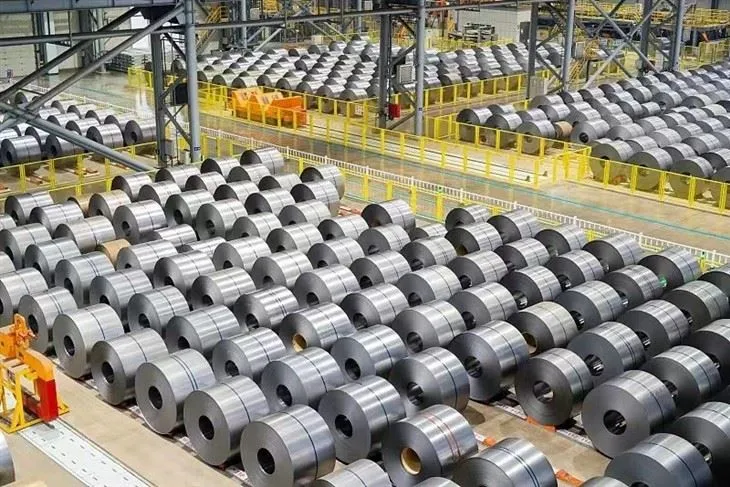

Our Factory
One-stop service helps you choose products suitable for your market and budget, save time, and achieve win-win cooperation.
Contact Us
Email
nancy@cn-hormann.com
Address
No. 2687 Ziwei Road, University Science Park, Changqing District, Jinan City, Shandong Province Room 1015, Area A, 10th Floor, Building A, West Innovation Park, Jinan
Phone
+8618769555682
+8613153828686
+8613153828686
Frequently Asked Questions
As one of the most professional galvanized square pipe manufacturers and suppliers in China, we're featured by quality products and competitive price. Please rest assured to buy galvanized square pipe for sale here and get free samples from our factory. Also, customized service is available.
Square Hollow Section Steel Tube, Galvanized Square Pipe, ASTM A500 Square Tube