

As a long - standing supplier of Galvanized Steel Coil, I've encountered numerous inquiries from customers regarding the weldability of galvanized steel coil. This topic is of great significance as welding is a common fabrication method in many industries, such as construction, automotive, and manufacturing. In this blog, I'll explore whether galvanized steel coil can be welded, the challenges associated with it, and the best practices to ensure successful welding.
Understanding Galvanized Steel Coil
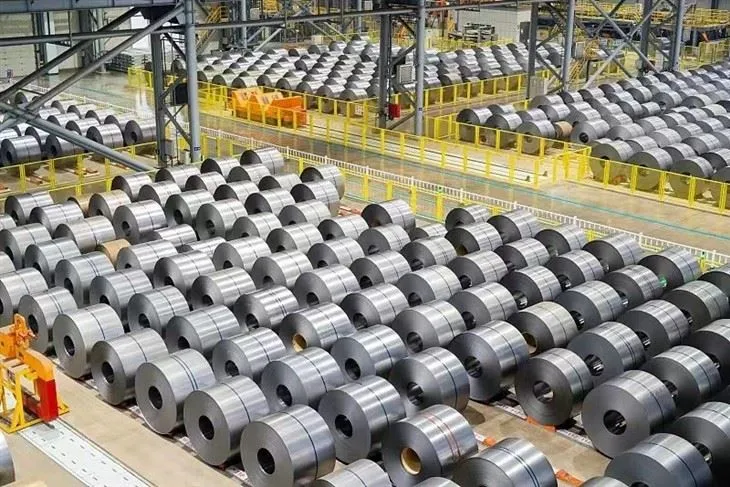
Galvanized steel coil is steel that has been coated with a layer of zinc to protect it from corrosion. The zinc coating acts as a sacrificial anode, corroding in place of the underlying steel. There are different types of galvanized steel coils available in the market, such as DX51D+Z Galvanized Steel Coil, ASTM Galvanized Steel Coil, and A653Galvanized Steel Coil. Each type has its own unique properties and applications, but they all share the common characteristic of having a zinc coating.
Can Galvanized Steel Coil Be Welded?
The short answer is yes, galvanized steel coil can be welded. However, welding galvanized steel is more challenging than welding non - galvanized steel due to the presence of the zinc coating. When the zinc coating is exposed to the high temperatures of the welding arc, it vaporizes. Zinc has a relatively low boiling point (about 907°C), and during welding, the zinc vaporizes and can cause several problems.
Challenges in Welding Galvanized Steel Coil
- Fume Generation: The vaporized zinc forms zinc oxide fumes. Inhaling these fumes can cause a condition known as "metal fume fever," which is characterized by symptoms such as headache, fatigue, nausea, and muscle aches. Adequate ventilation is crucial when welding galvanized steel to prevent the accumulation of these harmful fumes.
- Porosity: The zinc vapor can get trapped in the weld pool, leading to porosity in the weld. Porosity weakens the weld and reduces its overall quality. This can be a significant issue, especially in applications where the weld needs to withstand high stresses.
- Cracking: The presence of the zinc coating can also increase the likelihood of cracking in the weld. The different thermal expansion rates of the zinc and the steel can create internal stresses during the welding and cooling process, which may result in cracks.
Best Practices for Welding Galvanized Steel Coil
- Surface Preparation: Before welding, it is advisable to remove the zinc coating from the area to be welded. This can be done using mechanical methods such as grinding or sanding. Removing the zinc reduces the amount of zinc vaporization during welding, minimizing the risk of porosity and fume generation.
- Welding Process Selection: Different welding processes have different levels of suitability for welding galvanized steel. Shielded Metal Arc Welding (SMAW), Gas Metal Arc Welding (GMAW), and Flux - Cored Arc Welding (FCAW) are commonly used. GMAW with a suitable shielding gas can be a good choice as it provides better control over the weld pool and can help reduce porosity.
- Proper Ventilation: As mentioned earlier, proper ventilation is essential to protect the welder from the harmful zinc oxide fumes. Local exhaust ventilation systems should be used to capture the fumes at the source.
- Welding Parameters: Adjusting the welding parameters is crucial. Using lower welding currents and slower travel speeds can help reduce the heat input and minimize the vaporization of the zinc. This also allows the weld pool to solidify more slowly, reducing the risk of porosity.
- Post - Weld Treatment: After welding, it is important to clean the weld area to remove any remaining zinc residue. The weld can also be post - heat treated to relieve internal stresses and improve its mechanical properties.
Applications of Welded Galvanized Steel Coil
Despite the challenges, welded galvanized steel coil is widely used in various applications. In the construction industry, it is used for building frames, roofing, and fencing. The corrosion - resistant properties of the galvanized steel combined with the strength of the weld make it an ideal choice for outdoor structures. In the automotive industry, welded galvanized steel is used for body panels and chassis components, providing both corrosion protection and structural integrity.
Quality Assurance
As a supplier of Galvanized Steel Coil, we understand the importance of quality in welding applications. We ensure that our galvanized steel coils meet the highest industry standards. Our products are tested for their chemical composition, mechanical properties, and coating thickness to ensure that they are suitable for welding. We also provide technical support to our customers, offering advice on the best welding practices for our specific products.
Contact for Procurement and Consultation
If you are in the market for high - quality Galvanized Steel Coil and need guidance on welding or any other aspects, we are here to help. Our team of experts can assist you in selecting the right type of galvanized steel coil for your application and provide detailed information on welding procedures. Whether you are a small - scale fabricator or a large - scale industrial manufacturer, we can meet your requirements. Don't hesitate to reach out to us to start a discussion about your procurement needs.

References
- "Welding Galvanized Steel: Best Practices and Considerations" - Welding Journal.
- "Corrosion Protection of Welded Galvanized Steel Structures" - Journal of Materials Science and Technology.
- "The Effects of Zinc Coating on Weld Quality in Galvanized Steel" - International Journal of Welding Research.