

As a seasoned supplier of Galvanized Steel Coil, I've witnessed firsthand the pivotal role that zinc content plays in determining the quality of these essential products. Galvanized steel coils are widely used across various industries, from construction to automotive manufacturing, due to their excellent corrosion resistance and durability. In this blog, I'll delve into how the zinc content affects the quality of galvanized steel coil, exploring both the benefits and potential drawbacks associated with different zinc levels.
Understanding Galvanization and Zinc Content
Galvanization is the process of applying a protective zinc coating to steel to prevent corrosion. The zinc coating acts as a sacrificial anode, meaning it corrodes preferentially to the underlying steel, thus protecting it from rust and other forms of degradation. The amount of zinc applied to the steel is typically measured in grams per square meter (g/m²) and is referred to as the coating mass or zinc content.
Common coating masses for galvanized steel coils range from as low as 100 g/m² to as high as 600 g/m² or more. The specific zinc content chosen depends on several factors, including the intended application, the environmental conditions the steel will be exposed to, and the desired lifespan of the product.
Impact of Zinc Content on Corrosion Resistance
One of the most significant ways in which zinc content affects the quality of galvanized steel coil is its impact on corrosion resistance. Generally speaking, the higher the zinc content, the better the corrosion resistance of the steel. This is because a thicker zinc coating provides more material to sacrifice as it corrodes, thereby extending the protection of the underlying steel.
For applications in harsh environments, such as coastal areas where the air is laden with salt, or industrial settings with high levels of pollution, a higher zinc content is often recommended. For example, a DX51D Z275 Galvanized Steel Coil, which has a zinc coating mass of 275 g/m², offers superior corrosion resistance compared to a coil with a lower zinc content. This makes it ideal for outdoor structures, roofing, and other applications where long-term durability is essential.
On the other hand, for indoor applications or environments with relatively low levels of corrosion risk, a lower zinc content may be sufficient. A DX51D+Z Galvanized Steel Coil with a zinc coating mass of 100 - 200 g/m² can provide adequate protection at a lower cost. This makes it a popular choice for applications such as electrical enclosures, furniture, and general-purpose fabrication.
Influence on Formability and Weldability
While a higher zinc content generally improves corrosion resistance, it can also have an impact on the formability and weldability of the galvanized steel coil. As the zinc content increases, the coating becomes thicker, which can make the steel more brittle and less malleable. This can pose challenges during forming processes, such as bending, rolling, or stamping, as the zinc coating may crack or flake off, exposing the underlying steel to corrosion.
To mitigate these issues, manufacturers may use special processing techniques or additives to improve the formability of high-zinc-content galvanized steel coils. Additionally, proper handling and storage of the coils are essential to minimize damage to the zinc coating during transportation and installation.
Similarly, weldability can be affected by the zinc content. When welding galvanized steel, the zinc coating can vaporize, creating zinc fumes that can be hazardous to health. Higher zinc content means more zinc to vaporize, increasing the risk of fume generation. To address this, special welding procedures and equipment may be required, and proper ventilation must be provided to ensure the safety of the welders.
Aesthetic Considerations
The zinc content can also have an impact on the aesthetic appearance of galvanized steel coils. A higher zinc content typically results in a brighter, more uniform finish, which can be desirable for applications where appearance is important, such as architectural facades or decorative elements.
However, over time, the zinc coating may develop a patina, which can change the color and appearance of the steel. The rate at which the patina forms depends on several factors, including the zinc content, the environmental conditions, and the presence of other contaminants. In some cases, the patina can be desirable, adding a rustic or aged look to the steel. In other cases, it may be necessary to take steps to prevent or remove the patina to maintain the desired appearance.
Cost-Effectiveness
When considering the zinc content of a galvanized steel coil, cost is always a factor. Higher zinc content generally means a higher cost, as more zinc is required to apply the coating. However, it's important to consider the long-term cost-effectiveness of the product. While a coil with a lower zinc content may be cheaper upfront, it may require more frequent maintenance or replacement due to corrosion, ultimately resulting in higher overall costs.
On the other hand, investing in a high-zinc-content galvanized steel coil can provide significant savings in the long run by reducing the need for maintenance and replacement. For example, a PPGI Galvanized Steel Coil, which is pre-painted and typically has a higher zinc content, offers both excellent corrosion resistance and a long-lasting aesthetic finish, making it a cost-effective choice for many applications.
Conclusion
In conclusion, the zinc content of a galvanized steel coil has a profound impact on its quality, performance, and cost. While a higher zinc content generally provides better corrosion resistance and a more attractive appearance, it can also present challenges in terms of formability, weldability, and cost. Therefore, it's essential to carefully consider the specific requirements of your application when choosing the appropriate zinc content for your galvanized steel coil.
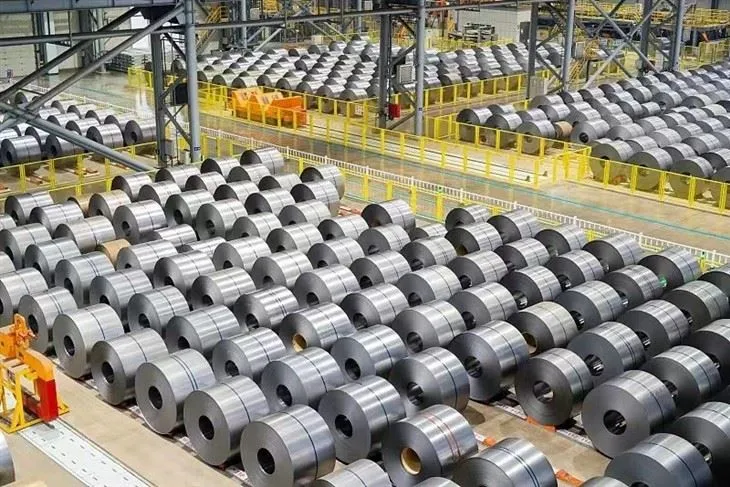
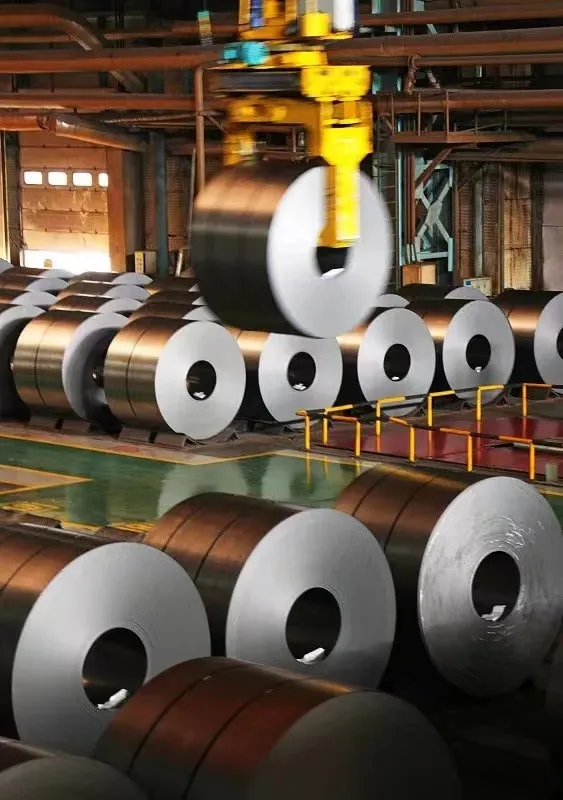
As a trusted supplier of galvanized steel coils, I'm committed to providing my customers with high-quality products that meet their specific needs. Whether you're looking for a coil with a low zinc content for a cost-effective solution or a high-zinc-content coil for maximum corrosion resistance, I can help you find the right product for your project.
If you're interested in learning more about our galvanized steel coils or would like to discuss your specific requirements, please don't hesitate to contact me. I look forward to working with you to find the perfect solution for your needs.
References
- "Galvanized Steel: A Guide to Its Properties, Applications, and Benefits." American Galvanizers Association.
- "Corrosion Resistance of Galvanized Steel in Different Environments." Journal of Corrosion Science and Engineering.
- "Formability and Weldability of Galvanized Steel: Challenges and Solutions." International Journal of Metal Forming.