

As a reputable supplier of prepainted steel coils, ensuring the safe transportation of our products is of utmost importance. Prepainted steel coils are widely used in various industries, including construction, automotive, and appliances, due to their durability, corrosion resistance, and aesthetic appeal. However, these coils are also prone to damage during transportation if not handled properly. In this blog post, I will share some essential tips on how to transport prepainted steel coils safely.
Understanding the Characteristics of Prepainted Steel Coils
Before discussing transportation methods, it's crucial to understand the unique characteristics of prepainted steel coils. These coils are typically made of high - strength steel sheets that are coated with a layer of paint or polymer to enhance their appearance and protect them from corrosion. The painted surface is sensitive to scratches, dents, and abrasions, which can not only affect the aesthetics but also reduce the corrosion resistance of the coils. Additionally, prepainted steel coils are heavy and bulky, which requires special handling equipment and techniques during transportation.
Packaging for Protection
Proper packaging is the first line of defense in protecting prepainted steel coils during transportation. We usually use the following packaging methods: - Inner Packaging: The coils are wrapped with a layer of plastic film or paper to prevent moisture and dust from adhering to the painted surface. This inner layer also provides a certain degree of cushioning to reduce the impact of minor vibrations. - Outer Packaging: After the inner packaging, the coils are placed in wooden or steel pallets. Wooden pallets are a popular choice due to their cost - effectiveness and ease of handling. However, steel pallets offer higher strength and durability, especially for long - distance transportation. Around the coils, we use steel bands or straps to secure them firmly to the pallets, preventing them from shifting during transit.

Loading and Unloading
The process of loading and unloading prepainted steel coils requires careful attention to detail to avoid damage. - Use Appropriate Equipment: Specialized lifting equipment, such as cranes or forklifts with soft - padded forks, should be used. Soft - padded forks help prevent scratches on the painted surface of the coils. When using a crane, the lifting slings should be wide and made of non - abrasive materials to distribute the weight evenly and avoid damaging the coils. - Proper Positioning: During loading, the coils should be placed in a stable and balanced position on the transport vehicle. They should be arranged in an orderly manner to prevent them from colliding with each other. When stacking multiple coils, it's important to ensure that the bottom coils can bear the weight of the upper ones without deforming. - Avoid Impact: Sudden impacts during loading and unloading can cause significant damage to the prepainted steel coils. Operators should be trained to handle the equipment gently and smoothly, reducing the risk of dropping or hitting the coils.
Choosing the Right Transport Vehicle
The choice of transport vehicle depends on various factors, such as the distance of transportation, the quantity of coils, and the road conditions. - Trucks: For short - to medium - distance transportation, trucks are a common choice. Enclosed trucks are preferred as they can protect the coils from weather elements such as rain, snow, and sunlight. The truck's interior should be clean and free of any sharp objects that could scratch the coils. Additionally, the truck should be equipped with shock - absorbing devices to reduce the impact of road vibrations. - Trains: For long - distance transportation, trains can be a more cost - effective and environmentally friendly option. Similar to trucks, the train cars should be clean and well - maintained. Specialized train cars designed for transporting coils may have features such as adjustable racks to keep the coils in place. - Ships: When exporting prepainted steel coils, ships are often used. The coils should be stowed in the ship's hold in a way that they are protected from sea spray and rough seas. Anti - slip materials can be placed on the deck or in the hold to prevent the coils from sliding during the voyage.

Securing the Coils on the Transport Vehicle
Once the coils are loaded onto the transport vehicle, they need to be secured properly to prevent movement during transit. - Chocks and Wedges: Placing chocks and wedges around the base of the coils can prevent them from rolling or sliding. These chocks should be made of non - abrasive materials to avoid scratching the coils. - Tie - Down Straps: Steel or polyester tie - down straps can be used to secure the coils to the transport vehicle. The straps should be tightened evenly to ensure that the coils are held firmly in place. It's important to check the tightness of the straps regularly during transportation, especially after going through bumpy roads or sharp turns.
Monitoring During Transportation
Monitoring the condition of the prepainted steel coils during transportation is essential to detect any potential problems early. - Temperature and Humidity Monitoring: Extreme temperatures and high humidity can affect the quality of the painted surface. We can use temperature and humidity sensors to monitor these conditions inside the transport vehicle. If the conditions are outside the acceptable range, appropriate measures can be taken, such as adjusting the ventilation or using dehumidifiers. - Vibration Monitoring: Excessive vibration can cause damage to the coils. Vibration sensors can be installed on the transport vehicle to monitor the level of vibration. If the vibration exceeds a certain threshold, the driver can be alerted to adjust the driving speed or route.
Our Product Range
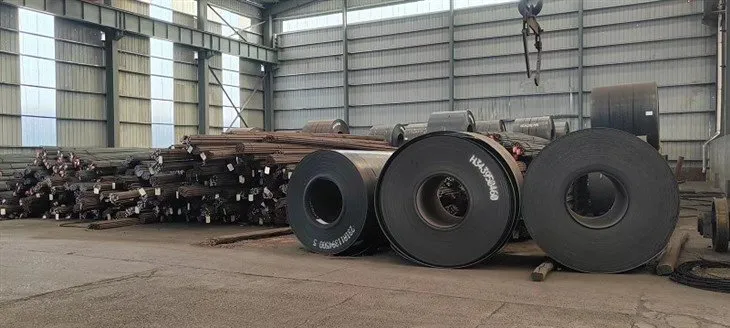
We offer a wide range of prepainted steel coils, including SGCC Hot Dip Galvanized Coil, SGH340 Hot Dip Galvanized Coil, and PPGI Color Coated Coil. Each of these products is carefully manufactured and packaged to ensure the highest quality and safety during transportation.
Conclusion
Transporting prepainted steel coils safely requires a combination of proper packaging, careful handling, suitable transport vehicles, and effective monitoring. By following the tips outlined in this blog post, we can minimize the risk of damage to the coils and ensure that they reach our customers in perfect condition. If you are interested in purchasing our prepainted steel coils or have any questions about transportation, please feel free to contact us for further discussion.

References
- American Iron and Steel Institute. (20XX). Guidelines for Handling and Transporting Steel Products.
- International Maritime Organization. (20XX). Regulations for the Safe Transport of Goods by Sea.
- Department of Transportation. (20XX). Safety Standards for Road Transport of Heavy Goods.