

Is Galvanized Angle Steel Suitable for DIY Projects?
As a supplier of galvanized angle steel, I've witnessed firsthand the growing popularity of DIY (Do - It - Yourself) projects in recent years. DIY enthusiasts are constantly on the lookout for materials that are versatile, durable, and cost - effective. Galvanized angle steel fits the bill on many fronts, and in this blog, I'll explore whether it's a suitable choice for your DIY endeavors.
What is Galvanized Angle Steel?
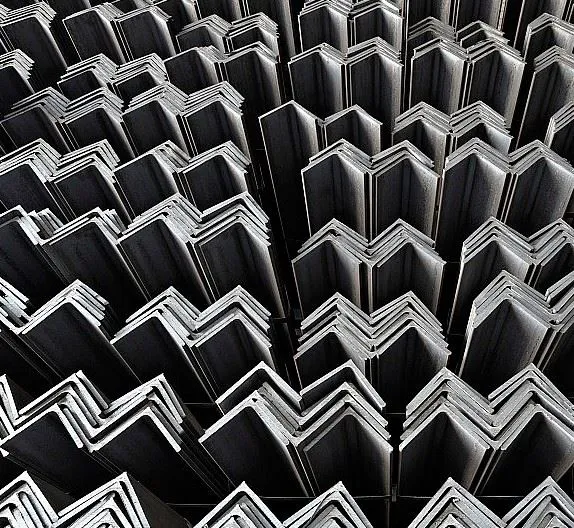
Galvanized angle steel is a type of steel that has been coated with a layer of zinc through a process called galvanization. This zinc coating serves as a protective barrier, preventing the steel from rusting and corroding. The angle steel itself is shaped like an "L," with two equal or unequal legs at a 90 - degree angle. This unique shape gives it excellent structural properties, making it useful in a wide range of applications.
There are different types of galvanization processes, with hot - dip galvanizing being the most common and effective for long - term protection. Hot Dip Galvanized Angle Steel is created by immersing the steel in a bath of molten zinc. The result is a thick, durable zinc coating that adheres firmly to the steel surface, providing superior corrosion resistance.
Advantages of Using Galvanized Angle Steel in DIY Projects
Durability and Longevity
One of the most significant advantages of using galvanized angle steel in DIY projects is its durability. The zinc coating acts as a sacrificial anode, meaning it corrodes before the steel does. This provides long - term protection against the elements, even in harsh environments. Whether your project is indoors or outdoors, galvanized angle steel can withstand the test of time. For example, if you're building a garden shed or a fence, the galvanized angle steel will resist rust and corrosion from rain, snow, and humidity, ensuring that your structure remains strong and stable for years to come.
Strength and Structural Integrity
The "L" shape of angle steel gives it excellent strength - to - weight ratio. It can support heavy loads and resist bending and twisting forces. This makes it ideal for structural applications in DIY projects. For instance, if you're building a bookshelf or a workbench, using 40404mm Structural Galvanized Angle Steel can provide the necessary support to hold your items securely. The angle steel can also be used to reinforce other structures, such as wooden frames, to increase their overall stability.
Versatility
Galvanized angle steel is incredibly versatile. It can be used in a wide variety of DIY projects, from simple home repairs to complex construction projects. You can cut, weld, drill, and bend the angle steel to fit your specific needs. It can be used to create frames, supports, brackets, and much more. For example, you can use it to build a custom - made bike rack, a plant stand, or even a small greenhouse. The possibilities are endless, limited only by your imagination.
Cost - Effectiveness
Compared to other materials, galvanized angle steel is relatively affordable. Its long - term durability also means that you won't have to replace it frequently, which can save you money in the long run. Additionally, because it is easy to work with, you can reduce labor costs if you're doing the project yourself. You can purchase galvanized angle steel in various sizes and lengths, allowing you to select the most cost - effective option for your project.
Disadvantages of Using Galvanized Angle Steel in DIY Projects
Initial Investment in Tools
While galvanized angle steel is easy to work with, you may need to invest in some basic tools to cut, drill, and weld it properly. Tools such as a hacksaw, drill, and welding equipment can be expensive, especially if you're only using them for a single DIY project. However, if you're planning on taking on more DIY projects in the future, these tools can be a worthwhile investment.

Potential for Sharp Edges
Cut or drilled pieces of galvanized angle steel can have sharp edges, which pose a safety hazard. It's important to handle the angle steel with care and use appropriate safety equipment such as gloves and safety glasses. You may also need to file or grind the edges to make them smooth after cutting or drilling.
Welding Considerations
If you plan to weld galvanized angle steel, you need to be aware of the potential health risks associated with welding zinc - coated steel. The fumes produced during welding can contain zinc oxide, which can cause metal fume fever if inhaled. Therefore, it's essential to weld in a well - ventilated area and use proper respiratory protection.
DIY Projects Suitable for Galvanized Angle Steel
Furniture Making
Galvanized angle steel can be used to create modern and industrial - style furniture. For example, you can use it as the legs or frames for coffee tables, dining tables, or chairs. By combining the angle steel with wooden or glass surfaces, you can create unique and stylish pieces of furniture that will add a touch of sophistication to your home.
Shelving Units
As mentioned earlier, galvanized angle steel is an excellent choice for building shelving units. Its strength allows it to support heavy items such as books, tools, or storage containers. You can customize the size and shape of the shelves to fit your specific storage needs, and the galvanized coating ensures that the shelves will remain rust - free.
Outdoor Structures
Galvanized angle steel is perfect for building outdoor structures such as pergolas, carports, and garden sheds. Its corrosion resistance makes it suitable for withstanding the outdoor elements, and its structural strength ensures that the structures are stable and safe. You can use Angle Steel ASTM A36 for these projects, which meets the American Society for Testing and Materials (ASTM) standards for structural steel.
Conclusion
In conclusion, galvanized angle steel is a highly suitable material for DIY projects. Its durability, strength, versatility, and cost - effectiveness make it a popular choice among DIY enthusiasts. While there are some potential drawbacks, such as the need for tools and safety considerations, these can be easily managed with proper planning and preparation.
If you're considering using galvanized angle steel for your next DIY project, don't hesitate to reach out to discuss your requirements. We can provide you with the right type and size of galvanized angle steel to ensure the success of your project. Whether you're a seasoned DIYer or just starting out, we're here to support you every step of the way.
References
- "Galvanized Steel Handbook" by The Galvanizers Association
- "Structural Steel Design" by Jack C. McCormac and Russell H. Brown
- Industry standards and guidelines related to galvanized angle steel manufacturing and usage.