

Hey there! As a supplier of Galvanized Channel Steel, I've been in the thick of the industry for quite a while. Over the years, I've seen the price of galvanized channel steel fluctuate like crazy. And trust me, there's a whole bunch of factors that play into these price changes. So, let's dive right in and take a look at what affects the price of this essential building material.
Raw Material Costs
First off, the cost of raw materials is a huge deal when it comes to the price of galvanized channel steel. The primary raw material here is steel, and its price can swing up and down based on a bunch of things. Global supply and demand have a major impact. If there's a high demand for steel in industries like construction, automotive, and manufacturing, and the supply can't keep up, the price of steel goes up. On the flip side, if there's an oversupply, the price drops.
Another factor is the cost of iron ore, which is the main ingredient for making steel. Mines around the world produce iron ore, and any disruptions in production, like natural disasters, labor strikes, or political instability in major mining regions, can lead to a shortage of iron ore. This shortage then drives up the cost of iron ore, which in turn increases the price of steel.
Also, energy costs are a part of the equation. Making steel requires a ton of energy, especially in the smelting and refining processes. When the price of energy, like coal, natural gas, or electricity, goes up, the cost of producing steel rises as well. And guess what? That increase gets passed on to the price of galvanized channel steel.
Galvanization Process
The galvanization process itself can affect the price. There are two main types of galvanization: hot-dip galvanizing and electro-galvanizing. Hot-dip galvanizing is the more common and durable method. In this process, the steel is dipped into a bath of molten zinc. It provides a thick and protective zinc coating that can last for decades, protecting the steel from rust and corrosion. However, it's also more expensive because it requires more zinc and energy.
On the other hand, electro-galvanizing uses an electric current to deposit a thin layer of zinc onto the steel. It's a quicker and less energy-intensive process, but the zinc coating is not as thick or durable as that of hot-dip galvanizing. So, if you're looking for a more budget-friendly option, electro-galvanized channel steel might be the way to go. But if you need long-lasting protection, hot-dip galvanized is the better choice, even though it comes at a higher price. You can check out our Hot Dip Galvanized C Channel for more details on this high-quality option.
Market Demand and Competition
Market demand is a big driver of price. In the construction industry, for example, when there's a boom in building projects, the demand for galvanized channel steel goes through the roof. Builders need it for structural support, framing, and all sorts of other applications. This high demand can lead to price increases as suppliers try to meet the needs of the market.
Competition also plays a role. In a highly competitive market, suppliers might lower their prices to attract more customers. They'll offer better deals, discounts, or value-added services to stand out from the crowd. But in a market with less competition, suppliers have more control over the price and can charge more.
Quality and Specifications
The quality and specifications of the galvanized channel steel can have a significant impact on the price. Higher-quality steel with better mechanical properties, like higher strength and better ductility, will cost more. Also, if the steel has to meet specific industry standards or certifications, such as ASTM standards, it might be more expensive.
For instance, our ASTM Hot-pressed Welded Universal Steel Beam is made to meet strict ASTM standards. This ensures that it's of high quality and suitable for a wide range of applications. But because of the strict manufacturing processes and quality control measures, the price is a bit higher compared to non-standard products.
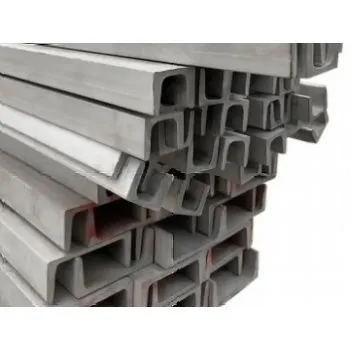
The size and shape of the channel steel also matter. Larger or custom-sized channel steel might cost more because it requires more raw materials and might be more difficult to manufacture. Special shapes or profiles, like the SGCC Galvanized C-shaped Steel Trough Profile, can also command a higher price due to the additional processing involved.
Transportation and Logistics
Transportation costs are another factor. If the steel has to be shipped over long distances, the cost of transportation can add up. Fuel prices, shipping fees, and the mode of transportation all play a role. For example, shipping by sea is generally cheaper than shipping by air, but it takes longer. If you need the steel quickly, you might have to pay more for air freight.
Logistics also includes storage and handling. If the steel has to be stored in a warehouse for an extended period, there will be storage costs. And any damage or loss during transportation or storage can also affect the price. Suppliers might factor in these potential risks and costs when setting the price of the galvanized channel steel.
Global Economic Conditions
The global economy has a far-reaching impact on the price of galvanized channel steel. In times of economic growth, there's usually more construction activity, which leads to higher demand for steel. This increased demand can drive up prices. On the other hand, during an economic recession, construction projects slow down, and the demand for steel drops. As a result, prices tend to fall.
Exchange rates also matter, especially for international suppliers. If the currency of the country where the steel is produced strengthens against other currencies, the price of the steel in other countries will increase. This can make it more expensive for customers in those countries to buy the galvanized channel steel.
Environmental Regulations
Environmental regulations can have an impact on the price as well. Governments around the world are becoming more strict about environmental protection. Steel manufacturers have to comply with regulations regarding emissions, waste disposal, and energy efficiency. Meeting these regulations often requires investments in new technologies and equipment, which can increase the cost of production. And again, these increased costs are passed on to the price of the galvanized channel steel.
So, there you have it! These are the main factors that affect the price of galvanized channel steel. As a supplier, I understand that price is an important consideration for my customers. That's why I always strive to offer the best quality products at competitive prices. If you're in the market for galvanized channel steel, whether it's for a small DIY project or a large-scale construction job, I'd love to have a chat with you. We can discuss your specific needs and find the right solution for you. Don't hesitate to reach out and start the conversation about your galvanized channel steel procurement.

References
- Steel Market Analysis Reports
- Industry Publications on Galvanized Steel Production
- Economic Forecasts Related to the Construction and Steel Industries