

Stainless rebar is a crucial component in construction, especially in environments where durability and corrosion resistance are paramount. One of the key aspects of its performance is its intergranular corrosion resistance. As a stainless rebar supplier, I've witnessed firsthand the importance of this property and its impact on the long - term integrity of structures.
Understanding Intergranular Corrosion
Intergranular corrosion is a type of corrosion that occurs along the grain boundaries of a metal. In stainless steel rebar, this can be a significant concern. Stainless steel owes its corrosion resistance to the presence of chromium, which forms a passive oxide layer on the surface. However, under certain conditions, this protective layer can break down at the grain boundaries, leading to intergranular corrosion.
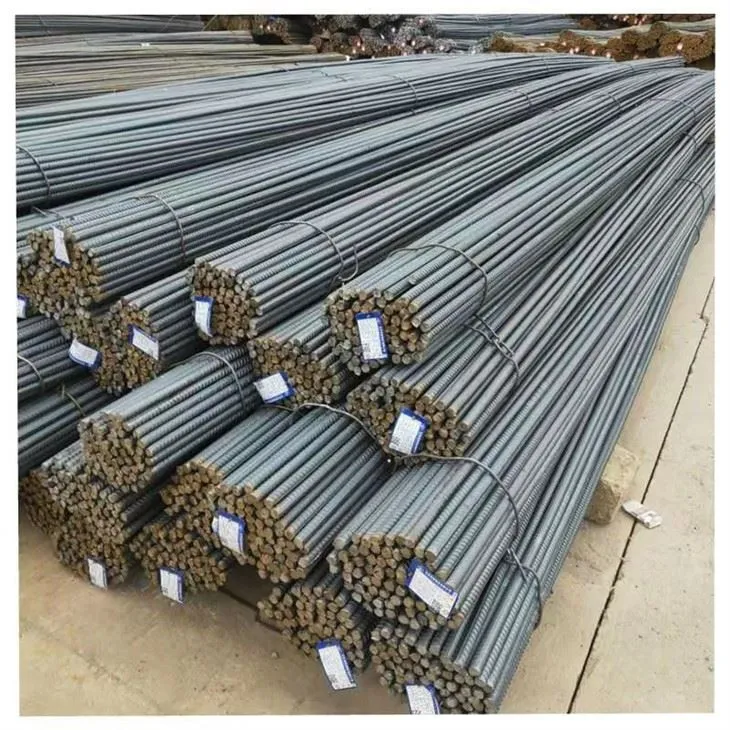

The main cause of intergranular corrosion in stainless rebar is the precipitation of chromium carbides at the grain boundaries. When stainless steel is heated in a specific temperature range, typically between 425°C and 815°C (known as the "sensitization range"), carbon atoms in the steel combine with chromium to form chromium carbides. This process depletes the chromium content in the vicinity of the grain boundaries, making these areas more susceptible to corrosion.
Factors Affecting Intergranular Corrosion Resistance of Stainless Rebar
Chemical Composition
The chemical composition of stainless rebar plays a vital role in its intergranular corrosion resistance. Higher chromium content generally enhances the corrosion resistance as it helps in the formation of a more stable passive oxide layer. Additionally, the presence of elements such as molybdenum can improve the pitting and crevice corrosion resistance, which are often associated with intergranular corrosion. For example, duplex stainless steels, which have a two - phase microstructure of ferrite and austenite, typically contain higher levels of chromium and molybdenum compared to austenitic stainless steels. This gives them better overall corrosion resistance, including intergranular corrosion resistance.
Heat Treatment
Proper heat treatment is essential to control the intergranular corrosion resistance of stainless rebar. Solution annealing is a common heat treatment process used for stainless steel. In this process, the rebar is heated to a high temperature (usually above 1000°C) and then rapidly cooled. This dissolves the chromium carbides and prevents their precipitation at the grain boundaries during subsequent use. On the other hand, improper heat treatment, such as slow cooling through the sensitization range, can lead to the formation of chromium carbides and increase the risk of intergranular corrosion.
Welding
Welding is another factor that can affect the intergranular corrosion resistance of stainless rebar. During the welding process, the heat input can cause the rebar in the heat - affected zone (HAZ) to reach the sensitization temperature range. If the cooling rate is not controlled properly, chromium carbides can form in the HAZ, making this area more prone to intergranular corrosion. To mitigate this issue, special welding techniques and filler materials may be used. For example, low - carbon stainless steel filler materials can be used to reduce the carbon content in the weld and minimize the formation of chromium carbides.
Testing Intergranular Corrosion Resistance
There are several methods available to test the intergranular corrosion resistance of stainless rebar. One of the most common methods is the ASTM A262 practice. This standard includes several different tests, such as Practice A (Oxalic acid etch test), Practice B (Ferric sulfate - sulfuric acid test), Practice C (65% Nitric acid test), Practice D (Copper - copper sulfate - 16% sulfuric acid test), and Practice E (Copper - copper sulfate - 50% sulfuric acid test).
The oxalic acid etch test is a qualitative test that can quickly determine whether a stainless steel is sensitized. In this test, a polished sample of the rebar is etched with an oxalic acid solution. If the sample shows a stepped or dual - structure appearance under a microscope after etching, it indicates that the steel is sensitized and may be prone to intergranular corrosion.
The other tests in the ASTM A262 standard are more quantitative and can provide information about the degree of intergranular corrosion resistance. For example, the ferric sulfate - sulfuric acid test measures the weight loss of the sample after immersion in a specific test solution for a certain period. A lower weight loss indicates better intergranular corrosion resistance.
Importance of Intergranular Corrosion Resistance in Construction
In construction, the intergranular corrosion resistance of stainless rebar is of utmost importance. Structures such as bridges, buildings in coastal areas, and wastewater treatment plants are often exposed to harsh environments that can accelerate corrosion. If the rebar used in these structures is not resistant to intergranular corrosion, it can lead to the deterioration of the concrete structure over time.
Intergranular corrosion can cause the rebar to lose its strength and ductility, which can compromise the structural integrity of the building. As the corrosion progresses, the expansion of the corroded rebar can cause cracking and spalling of the concrete, further exposing the rebar to the corrosive environment and accelerating the deterioration process. This can result in costly repairs and even pose a safety risk to the occupants of the building.
Our Company's Approach to Ensuring Intergranular Corrosion Resistance
As a stainless rebar supplier, we are committed to providing high - quality rebar with excellent intergranular corrosion resistance. We carefully select the raw materials based on their chemical composition to ensure that they meet the required standards for corrosion resistance. Our manufacturing process includes strict quality control measures, especially during heat treatment and welding.
We use advanced heat treatment equipment to ensure that the rebar is solution annealed properly and cooled rapidly to prevent the formation of chromium carbides. Our welding processes are also carefully monitored, and we use appropriate welding techniques and filler materials to minimize the impact on the intergranular corrosion resistance of the rebar.
In addition, we conduct comprehensive testing on our products using the ASTM A262 standards and other relevant tests to ensure that they meet or exceed the industry requirements for intergranular corrosion resistance. We also provide detailed technical documentation to our customers, including the chemical composition, heat treatment history, and test results of the rebar, so that they can make informed decisions about the suitability of our products for their projects.
Our Product Range
We offer a wide range of stainless rebar products to meet the diverse needs of our customers. Our product range includes Cold Rolled Deformed Steel Bar, Cold Rolled Rebar, and B500B Thread Rebar. Each of these products is carefully engineered to provide excellent intergranular corrosion resistance and mechanical properties.
Conclusion
The intergranular corrosion resistance of stainless rebar is a critical property that can significantly impact the durability and safety of construction structures. As a stainless rebar supplier, we understand the importance of this property and are dedicated to providing high - quality products with excellent intergranular corrosion resistance. By carefully controlling the chemical composition, heat treatment, and welding processes, and by conducting thorough testing, we ensure that our rebar meets the highest standards in the industry.
If you are in the market for stainless rebar with superior intergranular corrosion resistance, we invite you to contact us for more information and to discuss your specific requirements. Our team of experts is ready to assist you in selecting the right product for your project.
References
- ASTM International. ASTM A262 - 15(2021) Standard Practices for Detecting Susceptibility to Intergranular Attack in Austenitic Stainless Steels.
- ASM Handbook, Volume 13A: Corrosion: Fundamentals, Testing, and Protection. ASM International.
- "Stainless Steel Corrosion Handbook" by George S. Frankel.